

Matrescence: The Quiet Becoming of Motherhood
7/15/26 | By: Anna Allshouse

As a therapist and a mother, discovering the word "matrescence" gave shape to something I had felt personally and witnessed in others but hadn't yet had language for. It changed the way I understand motherhood - not a single event followed by adjustment, but its own developmental transition, with real emotional complexity, identity shifts, and slow, meaningful growth.
Becoming a mother reshapes how you experience yourself, your relationships, your body, your priorities. Yet so many mothers move through this without language for what's happening internally. Matrescence gives us that language: this is real, this is significant, and this has a name.
What Is Matrescence?

Matrescence is the physical, psychological, hormonal, and identity transformation that happens when a person becomes a mother. The term was coined by anthropologist Dana Raphael in the 1970s, who recognized that the passage into motherhood deserved its own name - just like adolescence names the transition from childhood into adulthood.
Matrescence has been described as a developmental passage spanning from pre-conception through pregnancy, birth, and the postnatal period, and its effects on the brain and identity are not temporary. They are lifelong.
In other words, if you've felt like a different person since becoming a mother, you're not imagining it. Something real is happening in your body, your brain, and your sense of self. And like all significant developmental transitions, it has growing pains.
Reflections on Lucy Jones' Matrescence
If you want to go deeper on this topic, Lucy Jones' book Matrescence is one I'd recommend. Jones, a journalist and mother, weaves together her own experience of new motherhood with cultural criticism and research, and the result is a book that feels both intimate and eye-opening.

What struck me most was her insistence on naming how isolating this transition can be, and how that isolation is can be structural rather than personal. Modern motherhood, Jones argues, often strips new mothers of community and adequate support, and then quietly frames the resulting struggle as individual failure. Mothers absorb this without realizing it, thinking I should be coping better. I should feel more grateful. Something must be wrong with me.
Jones pushes back on that narrative. The difficulty isn't a sign that you're doing motherhood wrong. It's a predictable outcome of moving through one of life's most significant transitions without enough support. Reframing the struggle as a systemic gap rather than a personal shortcoming can be very redemptive for mothers who have spent months or years turning the pain inward.
Her broader argument is that support during matrescence isn't a luxury. It's a baseline and a necessary condition for integrating this transition in a healthy and sustainable way.
The Juxtaposition Nobody Warns You About
One of the things Jones captures so well is how much matrescence asks you to hold at once. There is no clean emotional narrative to this transition. It is full of contradictions, and that is exactly what makes it so disorienting.
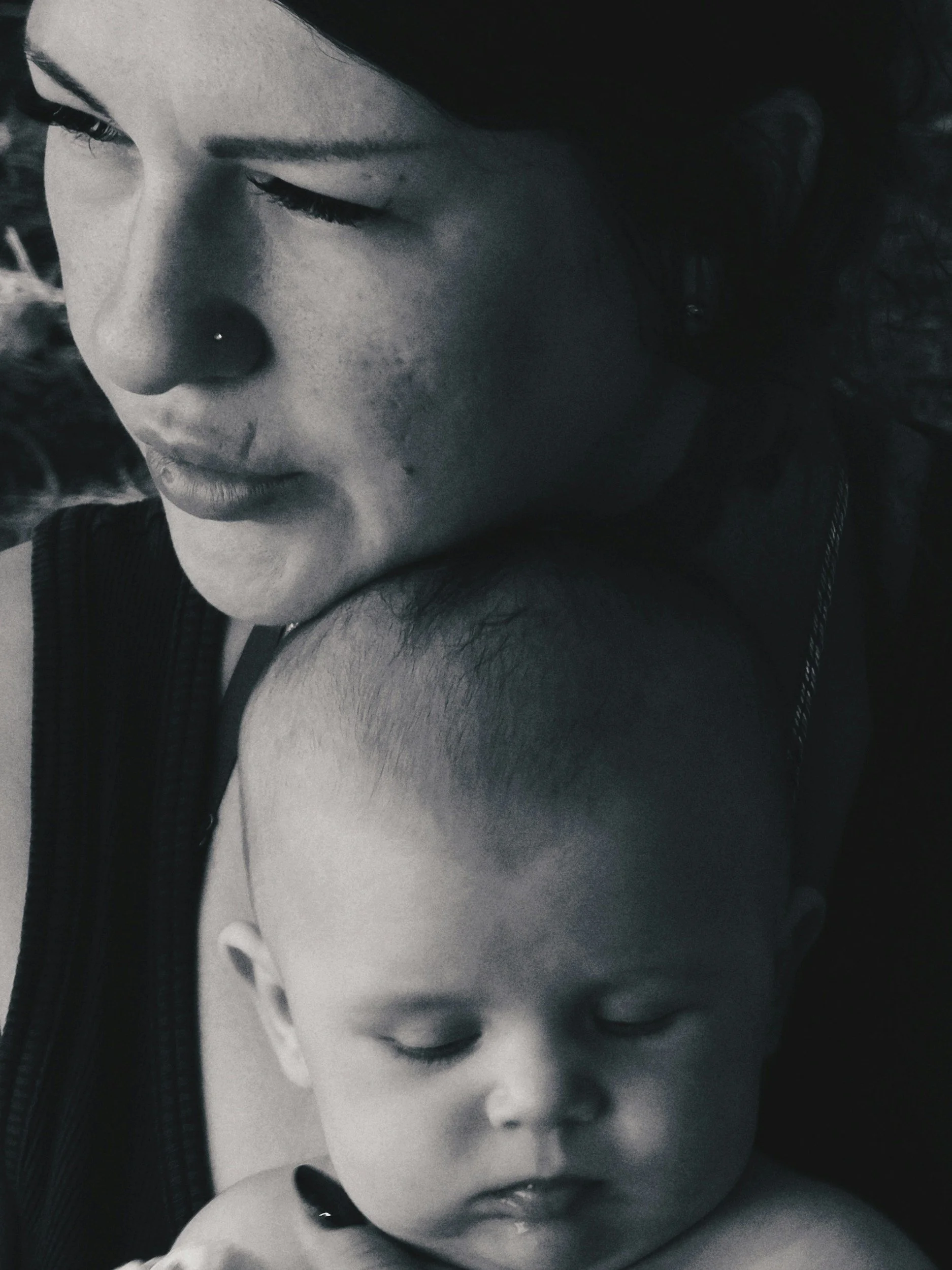
In the same week, sometimes the same afternoon, you might feel:
Profound love for your baby and profound grief for the life you had before.
Awe at what your body created, alongside frustration, grief, or disconnection from what it went through in the process or how it feels now.
Immense gratitude and deep exhaustion.
A desire to soak in every moment while also wanting to “get through this phase”.
A stronger sense of purpose alongside a quieter, persistent question: Who am I now?
None of these feelings cancel each other out. They coexist, and that coexistence - the way joy and grief can share the same breath - is part of what Jones most wants mothers to understand. You don't have to resolve the contradictions. The contradictions are the experience. Sitting with both sides, without rushing to one or the other, is actually what integration looks like.
You Are Allowed to Be Unsettled - and Empowered
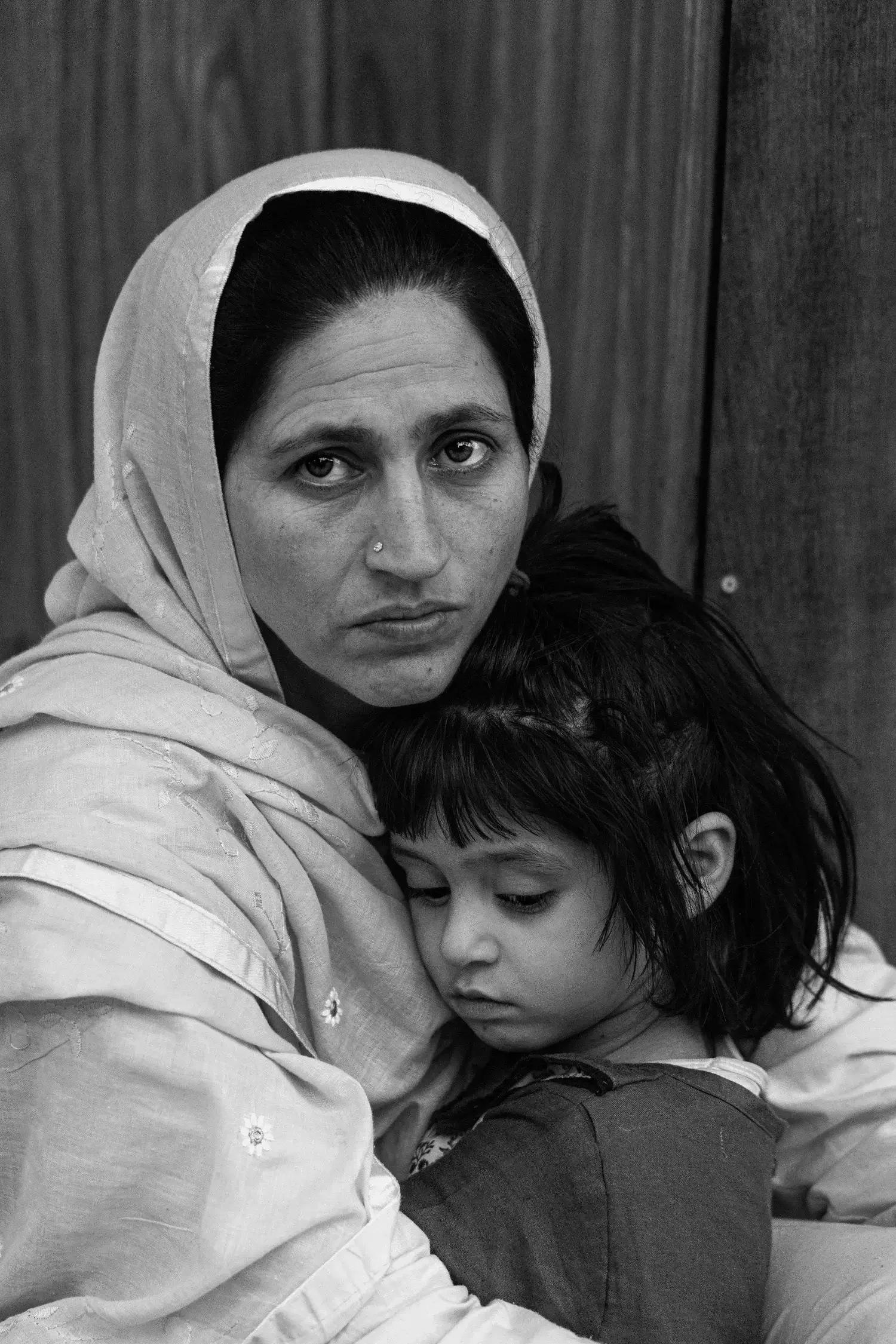
If you've felt unsteady since becoming a mother - uncertain about your body, your relationships, your sense of self – that isn't necessarily a sign that something is wrong. It can be a sign that something significant is underway.
Matrescence is disorienting because it's transformative.
You are allowed to mourn who you were. You are allowed to be amazed by who you are becoming. You are allowed to need support while you figure out which parts of yourself to bring forward - and which parts you're ready to set down.
That's not weakness. That's becoming.
A clinical note: Postpartum depression and postpartum anxiety are clinical conditions that can occur during matrescence but are not simply an intensified version of it. They involve persistent symptoms that significantly impair daily functioning and require their own care. Matrescence can increase vulnerability to PPD and PPA, but it should never be used to explain them away or to discourage a mother from seeking help.
If you find yourself wondering whether what you're experiencing is something more than matrescence, that question is worth exploring with a professional rather than trying to answer alone. Asking for support isn't a sign you're failing at motherhood. It's a sign you're taking care of yourself during one of the most demanding seasons of your life.
How Therapy Can Help During Matrescence
Therapy during matrescence isn't about helping you become the perfect mother. It's about creating a space to understand yourself during a season of change, and to meet yourself with honesty and compassion rather than judgment.

Therapy can offer support as you:
Process the emotions that come with identity change and the transition into motherhood.
Sit with grief, guilt, anger, anxiety, or uncertainty without rushing past them.
Reconnect with parts of yourself that feel distant or lost.
Navigate shifting dynamics in your relationships, boundaries, and expectations.
Practice self-compassion in a season that asks so much of you.
Becoming a mother changes you. The goal isn't to return to exactly who you were before. The goal is to meet yourself where you are now and learn how to care for the person you are becoming.