

Rejection Sensitivity - What Is It and How Does it Relate to ADHD?
4/22/26 | By: Emily Jeffers
If you spend time on the internet and have ever watched or listened to a video about ADHD, it is likely that you have also heard the term “rejection sensitivity”. It seems like this pairing of words is being discussed more and more frequently. This could be because more people are talking about ADHD, and more research is being done on ADHD overall. However, regardless of the reason, it can be hard to understand exactly what rejection sensitivity is and how it may, or may not, relate to ADHD.
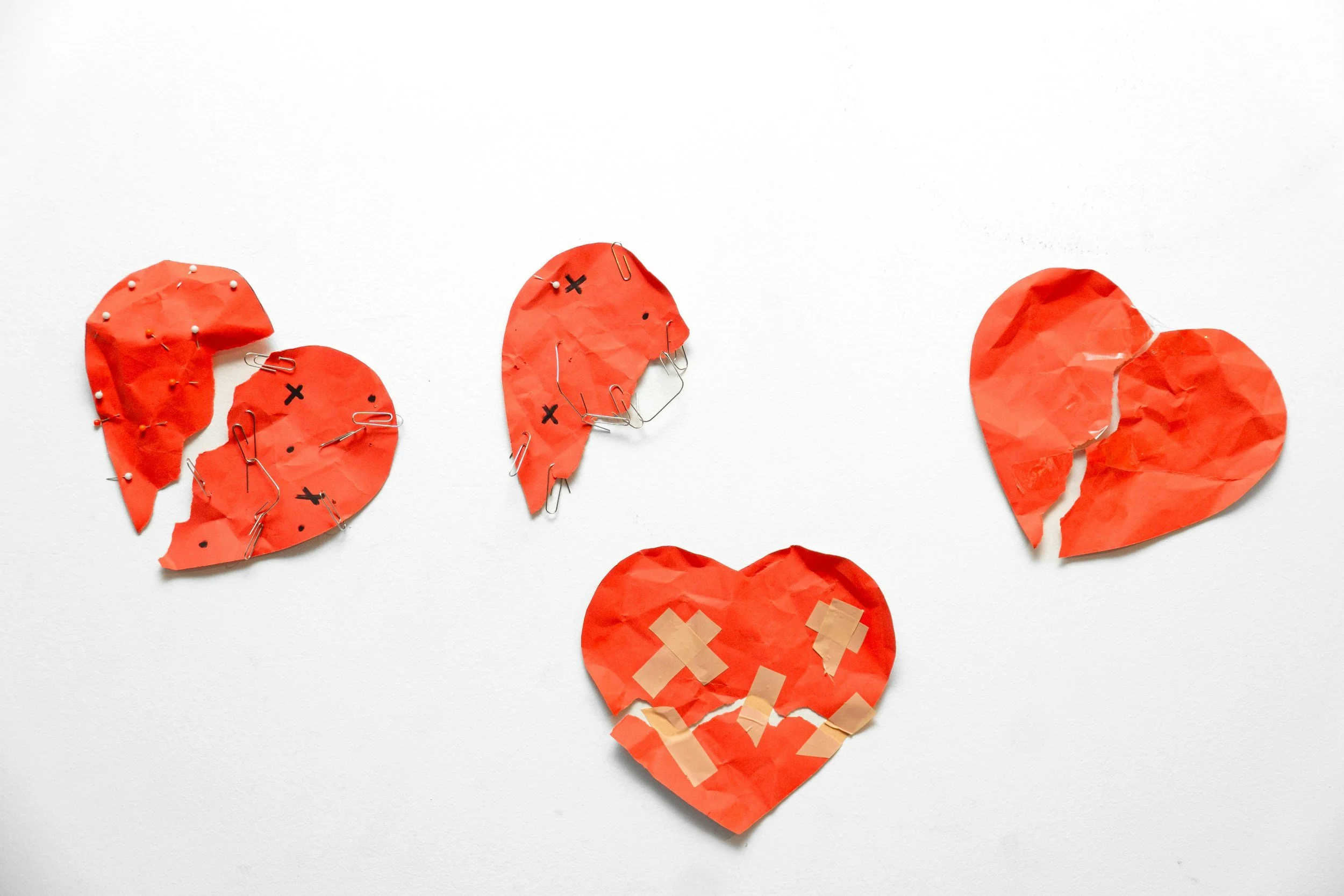
What is rejection sensitivity?
Rejection sensitivity is a term used to describe when someone has an elevated response to, or increased fear of, rejection, criticism, or even being left out. Individuals experiencing rejection sensitivity often perceive neutral or vague reactions and interactions as rejection, even when they are not. They struggle to evaluate any interaction that is not specifically positive as something other than rejection. Additionally, they have increased response to the feeling of rejection, even if that is just a feeling and not an actual rejection. Sometimes this reaction manifests as intense emotional reactions of anger, sadness, or anxiety.
Who might experience rejection sensitivity?
Rejection sensitivity can be experienced by anyone, especially if someone is more prone to experience intense emotional responses. While rejection sensitivity may be experienced by anyone, it has been shown to appear in mental health conditions such as ADHD, anxiety, depression, or personality disorders. It would make sense that rejection sensitivity could also show up in other conditions that impact one’s ability to regulate emotions, such as social anxiety or autism.
Rejection Sensitivity Dysphoria (RSD)
The term Rejection Sensitivity Dysphoria (RSD) was coined specifically in relation to ADHD research. RSD is very similar to rejection sensitivity and encompasses all of the symptoms listed above. The main difference is that individuals experiencing RSD, typically in conjunction with their symptoms of ADHD, report that the feeling of rejection is an overwhelming and highly intense emotional pain. Sometimes, this overwhelming pain is reported to manifest as a physical pain in response to the feeling of rejection as well. While someone experiencing rejection sensitivity may report that their reactions are disproportionate to their experience, someone experiencing RSD might agree with that, but also report that their emotional pain is so intense that it feels all-encompassing. This can then impact their relationships and their life.
Some symptoms of RSD fall into the below categories:
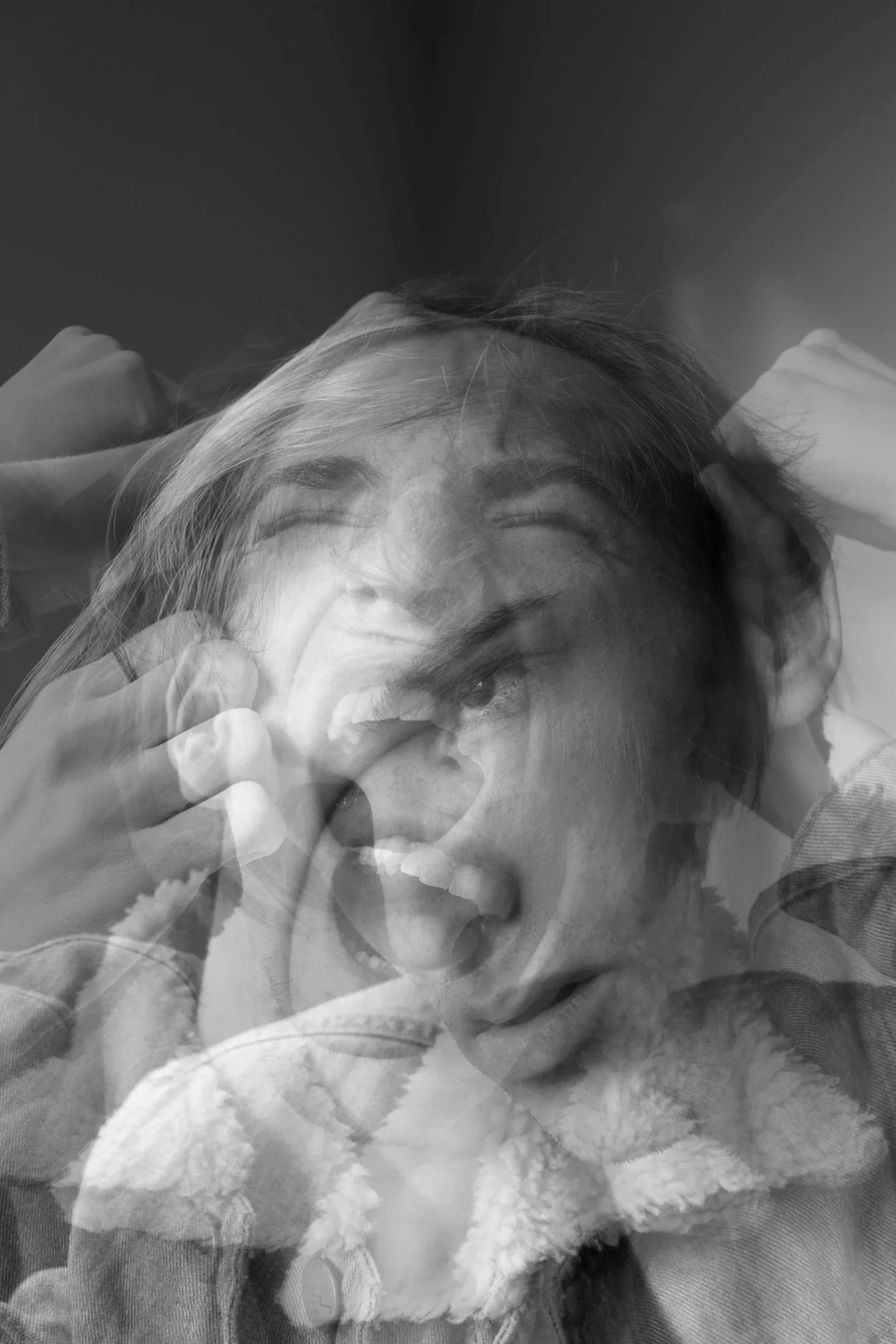
Emotional responses:
sudden intense and overwhelming emotions or perceived mood swings
high levels of shame or embarrassment
feelings helpless or hopeless
worry about others perspectives
Physical responses:
tightness and/or pain in chest or stomach
elevated heart rate
sweating
shaking
increased body temperature
Behavioral responses:
heightened, rash responses
people pleasing behaviors
social withdrawal
giving up in the face of criticism (in tasks, jobs, even relationships)
difficulty with self-advocating
perfectionism
rumination on rejections/failures
One of the most important takeaways about RSD is that whether someone was actually rejected (maybe when applying to a job, asking out a potential date, etc.) or if they feel like they were rejected (perhaps when receiving criticism, failing to meet expectations they set for themselves, or being ignored) the emotional response is the same - and it’s painful, overwhelming, and all-encompassing.
RSD & ADHD
In order to fully understand RSD, it is important to have some idea of what ADHD is. ADHD is a neurological disorder and it is thought to be related to brain function and genetics. ADHD affects attention, planning, and organization skills. ADHD can impact someone’s memory skills, ability to self-regulate and control their emotions and actions, and their ability to manage environmental changes. There are many symptoms of ADHD and many ways that it impacts the brain and one’s ability to function in everyday life, including their ability to relate to others. Learn more about ADHD.
Because ADHD can impact a person’s ability to regulate emotions, RSD can cause intense emotion shifts when experiencing rejection. This may cause negative feelings to escalate quickly until someone no longer feels in control of them. In attempting to avoid this intense emotional reaction, we might see people completely avoid situations where any type of rejection is possible, or we might see intense people pleasing behaviors to limit rejection as well.

What helps?
There are multiple interventions that can help, but they really center on treating and managing the underlying cause of emotional dysregulation since both rejection sensitivity and RSD are symptoms and not their own disorders. A good place to start would be seeking out a licensed mental health professional to learn more about what is causing this sensitivity to rejection and better understand additional symptoms. Therapy and medication are frequently the most recommended forms of treatment both for rejection sensitivity itself and for most mental health conditions. In addition, learning about your symptoms, your brain, and your emotions can really help you develop a deeper understanding of your life and your experiences. Therapy can help you improve your understanding of yourself and others, and it can help you make changes that may improve your quality of life. If you are unsure where to start, a trusted medical professional or therapist can help you learn more and connect you with all of the right professionals to best help you on your care journey.
Resources:
https://my.clevelandclinic.org/health/diseases/24099-rejection-sensitive-dysphoria-rsd
https://add.org/rejection-sensitivity/