7 Tips for Alleviating Seasonal Affective Disorder
2/18/26 | By: Dana Harron
As COVID makes us spend increasing amounts of time indoors, my guess is that the incidence of seasonal affective disorder (SAD) will likely be on the rise. SAD is related to the amount of sunlight that a person gets, and the way that it impacts neurochemistry. Neurochemistry, in turn, impacts mood.
People with seasonal affective disorder report feeling down, off, blue, or irritable in the winter months. For them, there is a noticeable shift from how they feel in the spring and summer.

1. Take walks
It seems like a simple and pat solution, but remembering to take short walks during the day can make a tremendous difference for SAD. Not only does the movement get endorphins going in your body, but outside time also increases the production of the neurochemicals that stabilize mood. The whole problem with SAD is typically that the retina receives less light owing to changes in weather and shorter days, so take advantage of what light there is. Makes sure that you don’t wear sunglasses on these walks to get the maximum benefit.
2. Shift sleeping cycles
Along these lines, another way to make sure you get the maximum benefit out of the sunlight available is to make sure that you are awake for it. In the winter we have a tendency to want to sleep later, but getting up with the dawn can be of a tremendous benefit for people dealing with SAD.
3. Increase light in your home
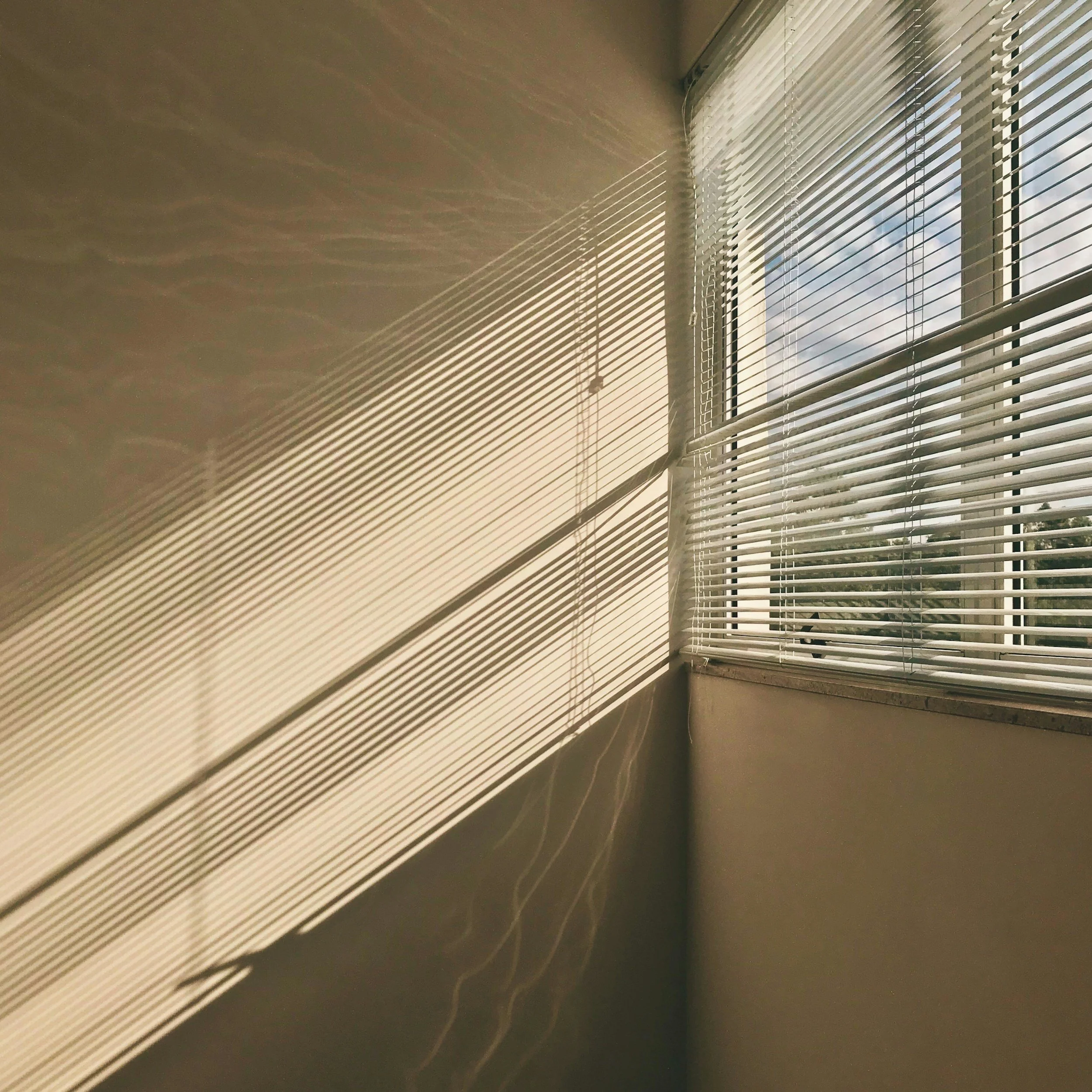
Take a good look at your digs and see what can be done to increase the amount of natural light available in your home. Small fixes might include pulling back drapes and trimming hedges that might be in front of your windows. If you have the means, you could also consider adding skylights or a heated sunroom to your home.
4. Paint the walls
Painting the walls in your home a lighter color will allow the light that is available to reflect off of it, rather than being absorbed. This will increase the amount of light available to hit your retina as well as make your house feel more open and inviting, working on the depressive feelings from an emotional standpoint as well as a biological one.
5. Increase social contact
Any mood disorder is alleviated by feeling cared about. When winter approaches, make a point of spending more time with supportive family and friends. If you aren’t able to get together physically because of coronavirus, geography or other reasons, schedule zoom calls and telephone contact.
6. Try phototherapy
I have seen phototherapy work wonders. It sounds like it shouldn’t work, because it’s basically just sitting in front of a light for a couple of hours a day. But, the light in question is a special type called a “full-spectrum light”, and it has the same effect on your brain that sunshine does. Namely, it helps your brain to increase the production of chemicals that keep our mood stable and help us feel happy.
7. Consider psychotherapy
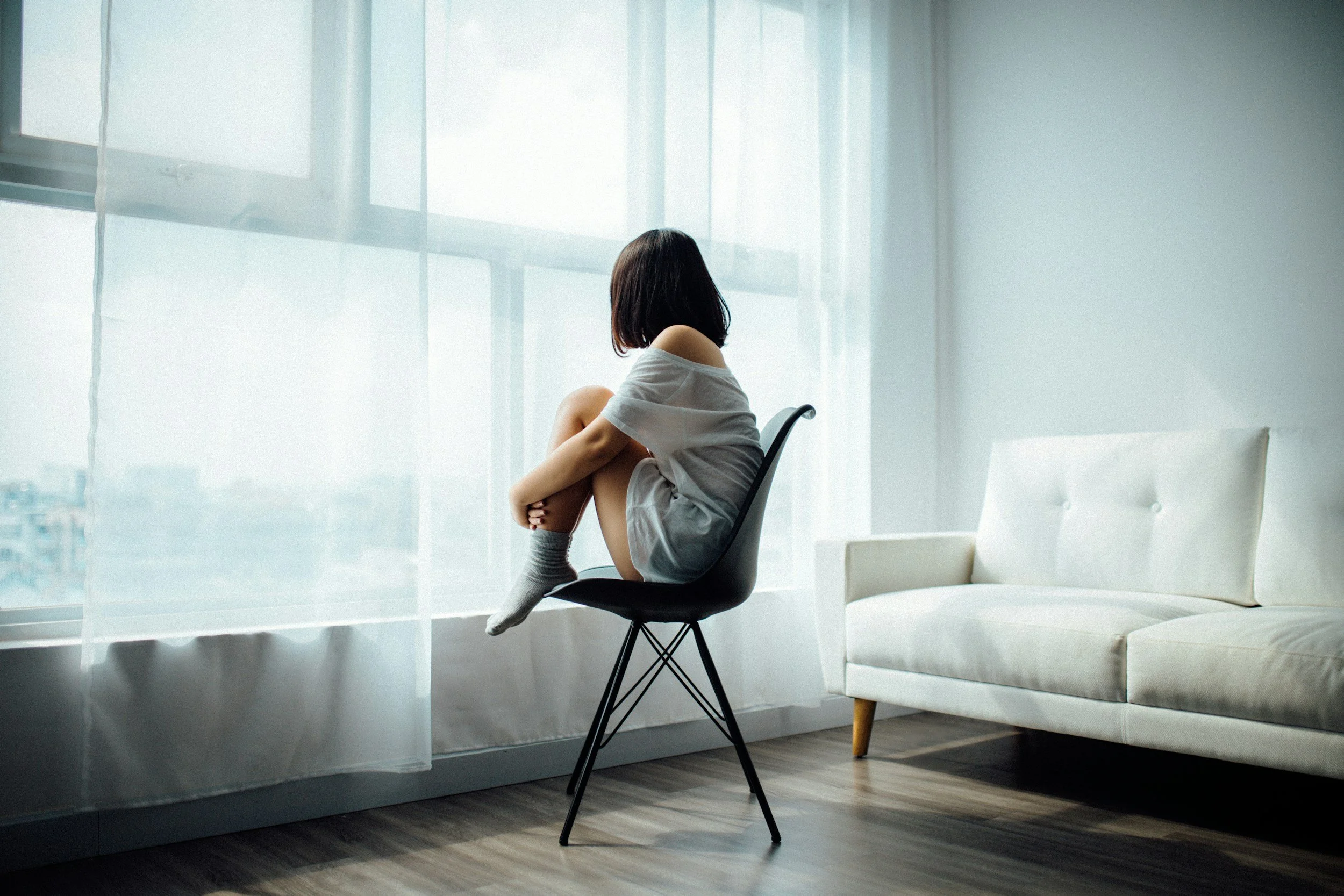
A trained psychotherapist can help you to plot out your course of action regarding the neurochemistry piece of SAD. They can also help you to assess for other reasons that your mood may shift in the winter months such as “anniversary reactions” of anniversaries of losses or negative life events or the approach of the holidays, which are very difficult for any number of people. It can make a tremendous difference to allow yourself to be truly supported. If you think psychotherapy would help you, feel free to reach out to our team of compassionate and helpful psychotherapists.