8 Things about Psychotherapy I Learned from Gardening
Date: 5/22/2026 | By: Dr. Dana Harron
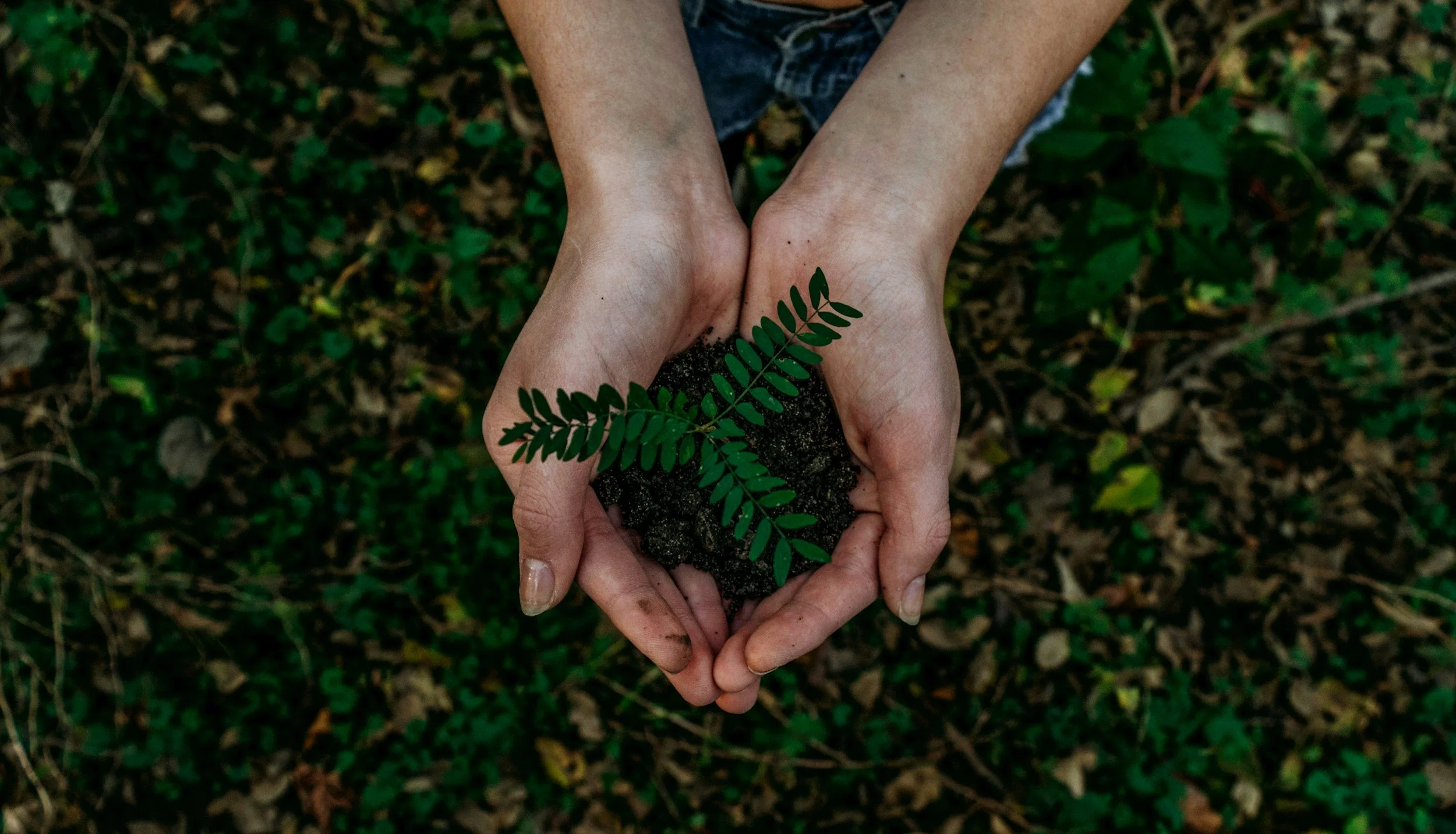
There is a space for making things happen, and a space for letting things happen.
In gardening, it becomes palpably clear that you do not “make” the plant grow. You set the right conditions, make sure there is sunlight and soil, and you give it the space it needs to do its thing. Many of us, especially those who are used to being “movers and shakers,” have the idea that we have to always be out there DOing it and MAKEing it happen. But if you try to make a plant grow, all you will do is pull it out of its soil.
Change is not always visible
One of my favorite things about plants is that they are always growing, but you never see them grow. When you look at a plant, it appears to be static, just sitting there inertly. And you look and look and look at it, and it really doesn’t seem to be doing much. But then one day you look and say, “Hey, wait a minute!” All of a sudden, the plant is taller, the leaves are healthier, the roots reach down, and maybe even new buds are forming. All of this happens outside of our awareness, but it happens.
The right thing at the right time
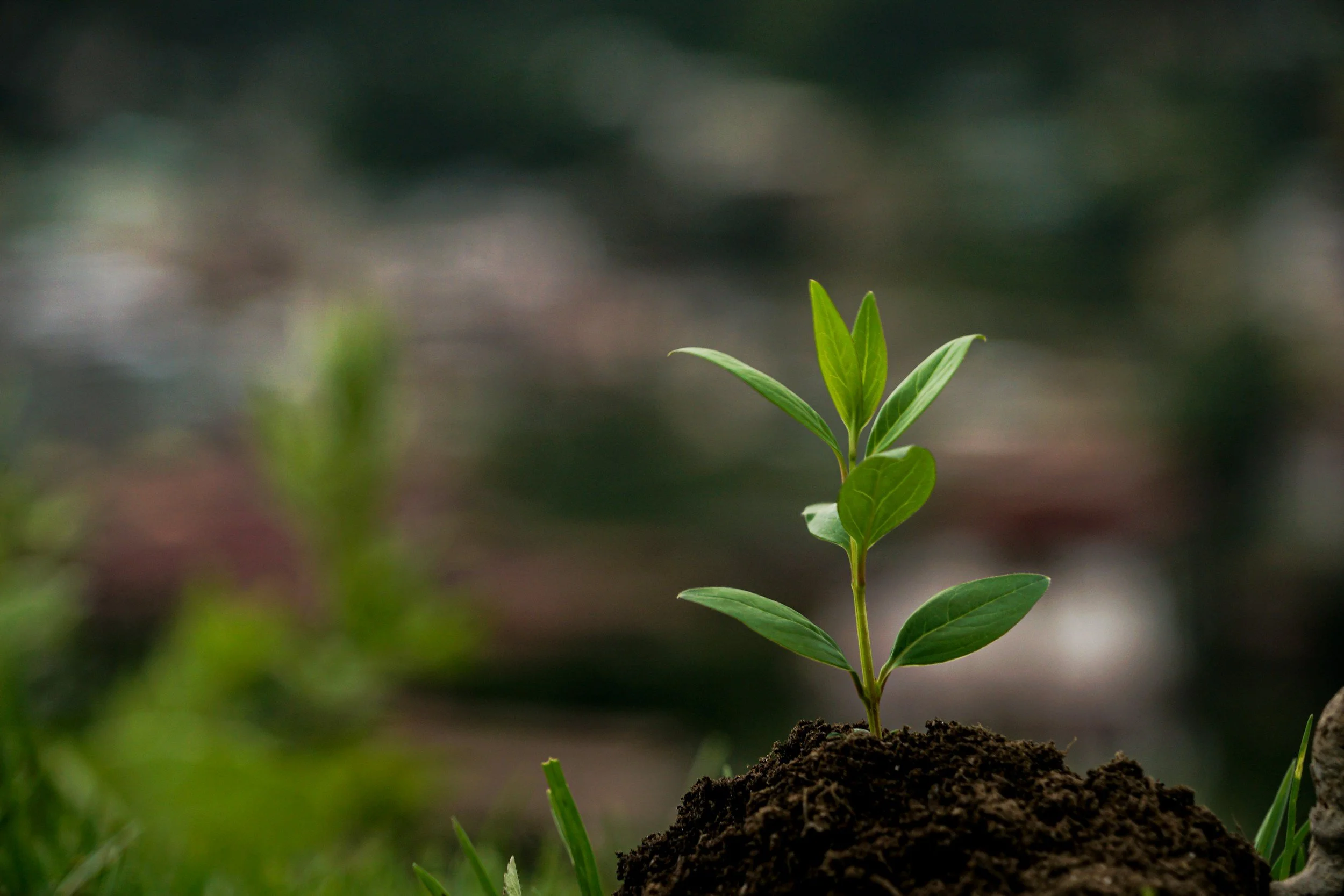
The same seed, planted in spring versus winter, either takes root and grows to a beautiful flower or gets killed by frost. Sometimes, as therapists, we can get impatient, wanting to dazzle our clients and ourselves with our brilliant insights. But if it isn’t the right time for a client to take in what you are offering, it can just come across like noise. Monitoring for receptivity is one of the operations that a good therapist always has operating.
Different people, and different plants, need different things
Some plants thrive in the sun, and other plants thrive in the shade. This sounds painfully obvious to say out loud, but it’s actually easy to forget that different clients need different things. We often fall into the trap of thinking that our warmth and care are what every client is looking for, but sometimes, instead, clients need accountability, respect or a distinctly non-invasive distance.
Attend to the roots

We often think of the roots in psychotherapy as “getting to the root of” this or that problem. When you are dealing with weeds (critical, negative introjects, for example) of course, you want to make sure that you get them as thoroughly as you can. If you pull off the leaves (symptoms) more will grow in their place (symptom switching). This is why I favor a mode of healing that includes “depth” approaches and existential questioning over easily manualized surface-oriented treatments such as straight CBT.
Sometimes a different environment is what’s most helpful
Sometimes plants need a different environment in order to thrive, and the same is true for people. If a client remains in a fundamentally unhealthy environment, it’s difficult to help them grow. It’s not that we can’t, but the real change will likely happen most when they can move from the shade into the sun, or vice versa, or get more room to grow. Of course, the stratification of our society is another condition our clients live within, and while we cannot always undo that, at the very least, we can acknowledge the reality of it and stop blaming clients for having trouble growing while they are simultaneously stifled.
Use the Right Tool
My very first day gardening, I was slaving away at trying to pare down a large branch with a hand-held clipper and a hacksaw. A neighbor of mine invited me to try her large shears, with a great deal of leverage. Suddenly, what had been an immense task that was going to take all day was relatively easy. Using the right tool makes all the difference. This can apply to the cognitive tasks that drain our mental energy, or the emotional ones that preserve our sense of self.

Don’t Dismiss Something Too Quickly
I thought I had just a raggedy mess of weeds in the corner of my yard. I was ready to pull it out, but life got busy, and I got distracted. One day, I glanced at that corner, and it had bloomed into the most resplendent blue and violet flowers. Don’t give up too easily.
Begin your healing journey
Start your healing journey with Monarch Wellness & Psychotherapy and discover the power of connection and understanding in transforming your life. Reach out to find peace, security, and freedom.