

How to Strengthen Your Mind and Build Resilience in an Unpredictable World
5/13/26 | By: Laura Pearson
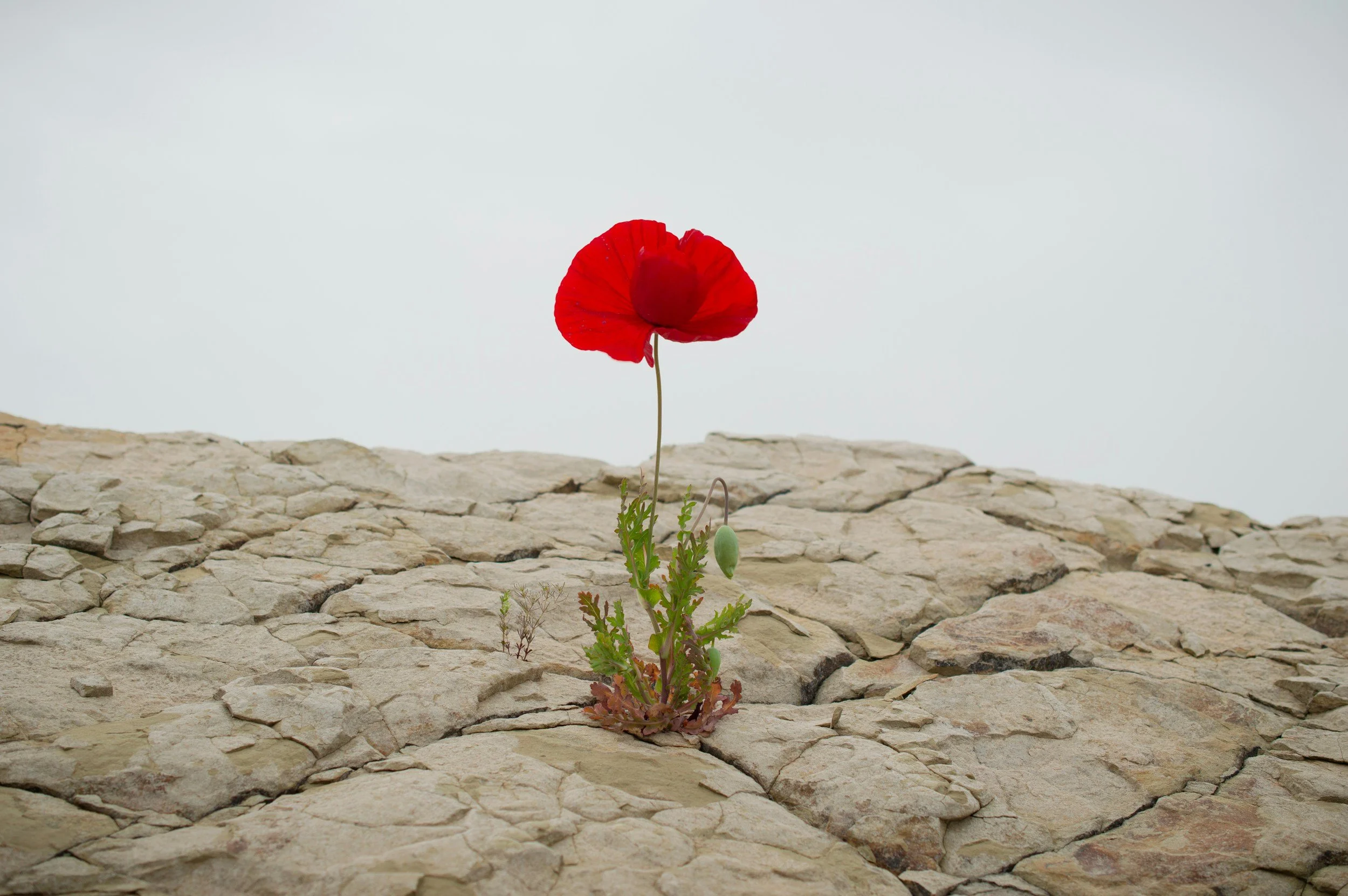
Adults in Bethesda and Fairfax seeking mental health support often carry a quiet exhaustion: anxiety that won’t settle, addiction challenges that pull focus, and emotional distress that flares without warning. An unpredictable world can make the nervous system feel stuck on high alert, especially after trauma, grief, chronic pain, or a hard season of change. In moments like these, strength isn’t about pushing feelings away, it’s about building mental resilience in an unpredictable world so daily life feels more steady and manageable. Resilience can be learned, and it can help people feel grounded again.
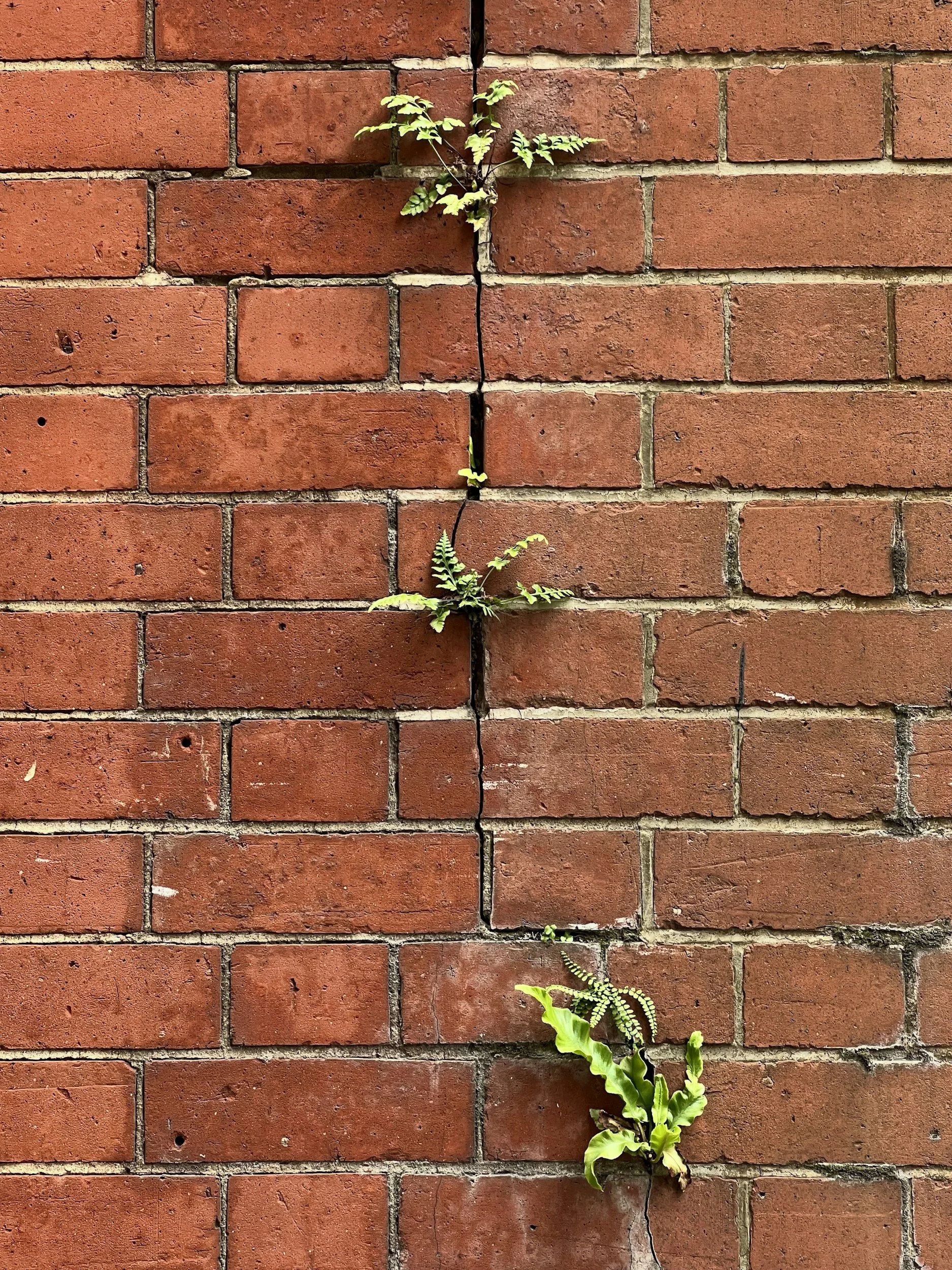
What Resilience Looks Like in Real Life
Resilience is the skill of staying steady while life shifts. It includes openness to change, curiosity when you do not have answers, and lifelong learning so you can adapt instead of freeze. It also means mindfulness to notice what is happening inside you, emotional agility to feel feelings without letting them drive, supportive relationships, and realistic optimism that expects effort, not perfection.
This matters because anxiety, cravings, and mood swings often get louder when uncertainty feels constant. A resilience mindset helps you pause before reacting, ask for help sooner, and recover faster after a tough day. It is especially important as life demands change across adulthood, and by 2050, that number is projected to rise to half of the population.
Picture a stressful morning: a text triggers worry, and the urge to numb out shows up. Resilience looks like taking one mindful breath, naming what you feel, and choosing one small next step. It can also mean texting a trusted person and keeping hope grounded in what you can do today.
Resilience Habits You Can Repeat Each Week
When life feels unpredictable, routines give your nervous system something reliable to return to. For adults seeking accessible mental health and addiction support in Bethesda and Fairfax, these habits make resilience feel practical by turning big goals into consistent, confidence-building reps.

Two-Minute Grounding Breath
What it is: Do a 2-minute inhale, slow exhale, and shoulder drop.
How often: Daily, and before hard conversations.
Why it helps: It lowers urgency so you can choose your next step.
Name It, Then Choose It
What it is: Label one emotion and pick one value-based action.
How often: Daily, especially during cravings or spirals.
Why it helps: Naming reduces overwhelm and improves self-control.
Curiosity Micro-Experiment
What it is: Ask “What can I test today?” and try one tiny change.
How often: Weekly.
Why it helps: It builds flexibility when plans break.
Support Check-In Text
What it is: Send one honest update to a trusted person.
How often: Three times per week.
Why it helps: Connection interrupts isolation and relapse momentum.
Mindfulness Bookmark
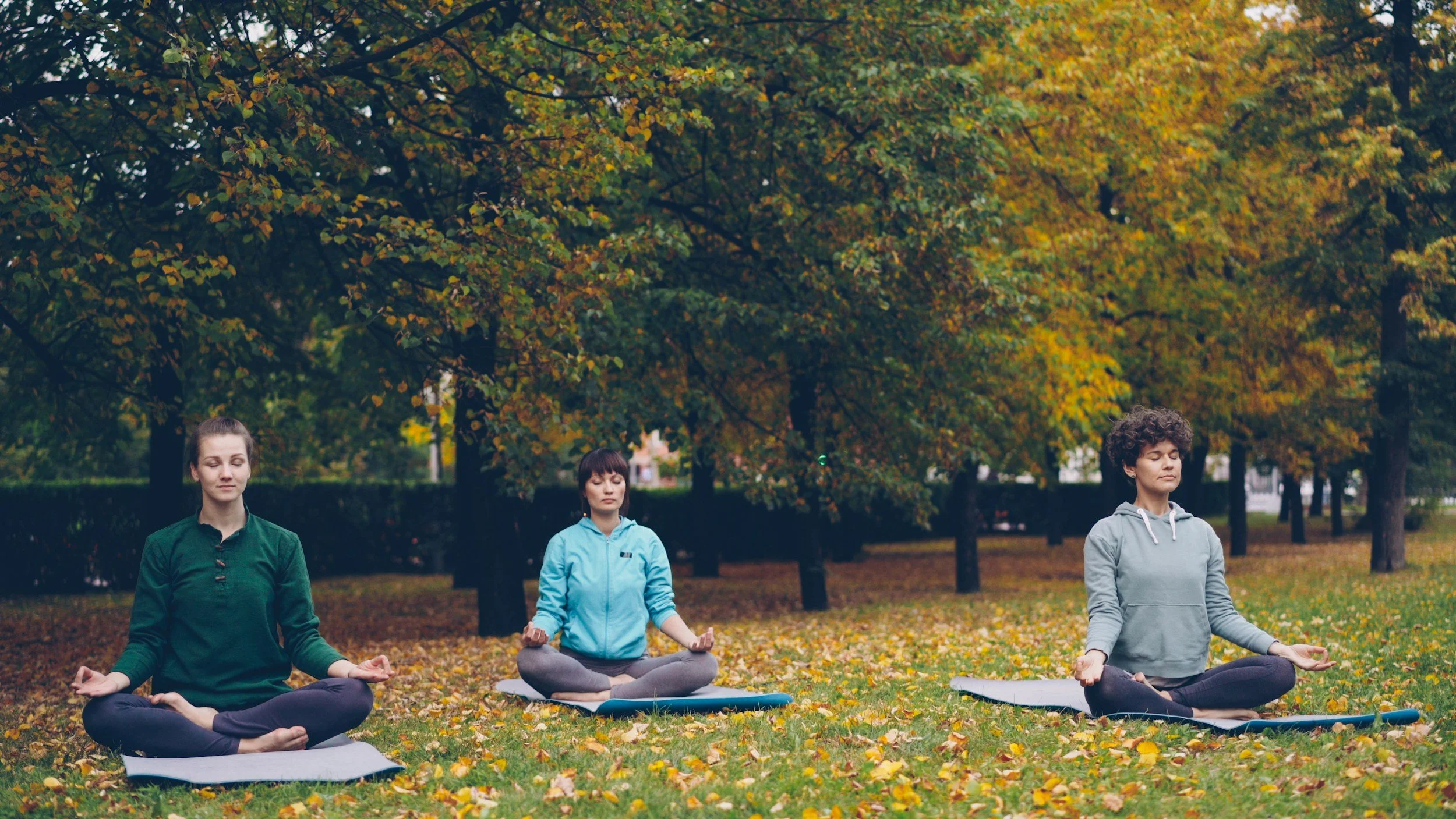
What it is: Use daily mindfulness to notice thoughts without chasing them.
How often: Daily.
Why it helps: It strengthens attention when stress pulls you off track.
Questions People Ask When Life Feels Uncertain
Q: How can I cultivate openness to change when I feel anxious about the future?
A: The barrier is your brain treating “unknown” like “unsafe.” Try a 2-minute reset: breathe slowly, then name one value you want to live by today and take one tiny action that matches it. This builds psychological flexibility, which is the skill of adapting without abandoning what matters to you.

Q: What are effective ways to manage uncertainty with curiosity instead of fear?
A: The barrier is catastrophizing, where your mind fills gaps with worst-case stories. Run a micro-experiment: ask “What is one thing I can test in the next 24 hours?” and choose a small, reversible step. Curiosity grows when you trade predictions for data.
Q: What role do supportive relationships play in strengthening emotional agility and coping skills?
A: The barrier is isolation, which makes stress feel bigger and cravings louder. Take one concrete step: send a simple check-in message with a feeling plus a need, like “I’m overwhelmed and could use a quick call.” Consistent connection helps your nervous system settle so you can choose healthier coping.
Q: If I feel stuck and overwhelmed by life’s unpredictability, how can I find resources to help me navigate these barriers effectively?
A: The barrier is decision fatigue, where even getting help feels like one more problem to solve. Do a 2-minute sort: write down one concern, one goal, and one support option you can contact today, such as a therapist, recovery group, primary care referral, or career services support. Starting small turns “stuck” into a first step.
Your Resilience Reset Checklist
This quick list turns big emotions into doable steps, especially if you are seeking accessible mental health and addiction support in the Bethesda and Fairfax areas. Use it to regain footing, reduce overwhelm, and choose your next helpful move.
✔ Choose one value to guide today’s decisions
✔ Practice one minute of slow breathing or grounding
✔ Label one worry as a thought, not a fact
✔ Test one small, reversible step within 24 hours
✔ Send one clear support request to a trusted person
✔ Schedule one care action: therapy, group, or medical check-in
✔ Track one trigger and one coping skill that helped
Check off just one item now, then build from there.
Taking One Next Right Step Toward Lasting Mental Resilience
Uncertainty, stress, and cravings can show up without warning, and it’s easy to feel like you’re always reacting instead of living. A commitment to mental resilience, built through ongoing personal growth, a future-proofing mindset, and supportive community engagement, offers a steadier way forward even when life stays unpredictable. Over time, these choices build emotional strength, clearer decision-making, and more room to recover when things go sideways. Resilience grows when you practice the next right step, even on hard days. Choose one item from the checklist today and, if support would help, you can reach out to a trusted person or local counseling community in Bethesda or Fairfax. This matters because stability and connection protect health, relationships, and hope for the long haul.