

Seven Unique Ways to Support Everyday Mental and Emotional Wellness
1/7/26 | By: Laura Pearson

You don’t need a crisis to care for your mind. Most people wait until things boil over before they even consider what emotional wellness might look like in everyday life. But the truth is, mental clarity and emotional steadiness are like muscles—they strengthen with daily, conscious effort. And no, that doesn’t mean bubble baths and one-size-fits-all advice. True support shows up in the margins: small, specific acts that align with your nervous system, lifestyle, and personal tolerance for change. These seven strategies won’t fix your life overnight, but they might shift how you move through it.

Forest Bathing to reduce stress and anxiety
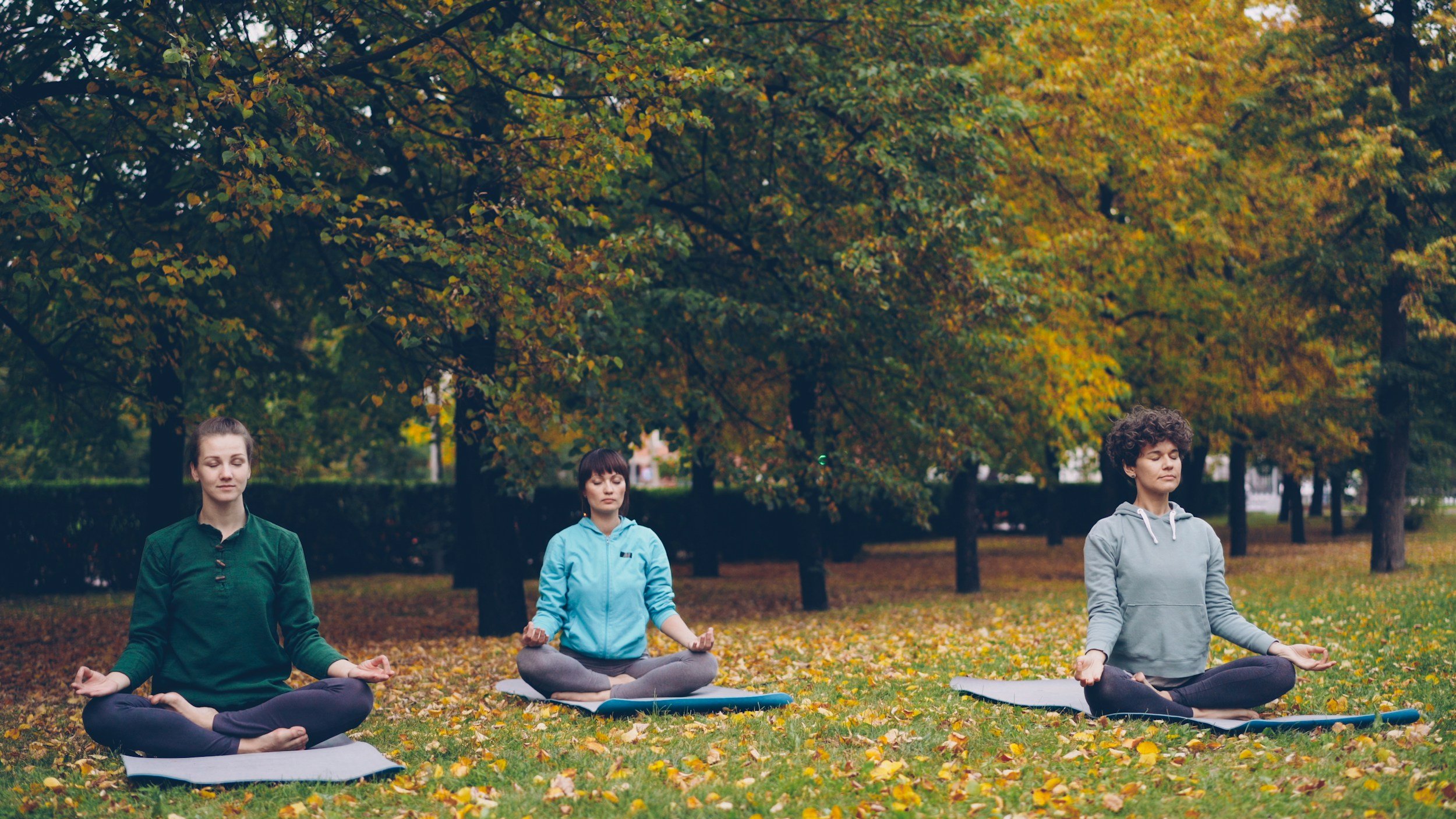
You don’t need to move to the mountains to let nature work its magic. The practice of forest bathing, or Shinrin-yoku, is less about hiking and more about slow, intentional presence in nature. It’s a practice of quiet observation—letting the senses wake up to sound, scent, and texture. Heart rate slows, cortisol drops, and stress responses soften when people spend focused time among trees. Unlike formal meditation, which can feel abstract, forest bathing gives your mind something tangible to notice. It’s a quiet undoing of overstimulation that only asks for your attention.

All-Natural Supportive Tools
Sometimes your body needs backup. Three gentle options—magnesium, ashwagandha, and THCa—offer stress-reducing support. Magnesium helps with sleep and nervous system regulation. Ashwagandha is a natural adaptogen that calms the stress response over time. And a THCa formulation may improve inflammation and mood without the psychoactive high. These tools aren’t cures, but they create physiological space for clarity. Always consult a professional before adding anything new, but know these options are part of a broader toolkit.
Grounding Techniques to Stay Calm & Present
Stress makes time feel fast and the body feel unsafe. Grounding practices are simple tools that bring you back into the moment. Holding an object, touching water, or scanning the room to name things you see—these are not distractions. They’re gentle cues to the nervous system that you’re not in danger. By focusing on physical presence, grounding bypasses spiraling thoughts and creates space for clarity. These techniques are discreet and portable, useful anywhere chaos creeps in.

Structured Journaling Prompts for Emotional Healing
Journaling isn’t just dumping feelings onto a page—it’s directing your awareness. Structured prompts shift you from rumination into reflection. Asking yourself “What do I need right now?” or “What’s not being said?” gets beneath the noise. This practice isn’t about being eloquent. It’s about being honest. Over time, journaling helps surface patterns and unmet needs that aren’t visible in the moment. When language and emotion meet on paper, things inside you start to make more sense.

guided imagery to foster relaxation and focus
The brain often reacts to imagined experiences as if they were real. Guided imagery taps into that, offering calm through visualization. Picture a safe place, a peaceful memory, or even a soft light enveloping you. This isn’t fantasy—it’s nervous system regulation. For people who find breathwork difficult or meditation frustrating, imagery offers a creative and focused alternative. You don’t have to get it right. You just have to start seeing with your mind’s eye.

bibliotherapy reading to support emotional wellness
Books can say what we can’t. Bibliotherapy uses purposeful reading—fiction, memoir, or essays—to help process emotions and build insight. A character’s grief might echo your own. A personal story might give language to what you’re feeling. It’s not about self-help formulas, but resonance. Reading this way invites self-understanding in quiet, meaningful ways. In moments where talking feels impossible, books can sit beside you without judgment.

Personalized Support
Some emotional work can’t be done alone. Monarch Wellness & Psychotherapy offers a compassionate space for navigating anxiety, trauma, grief, and more. The work here isn’t about fixing—it’s about being heard and seen. Real change begins when someone holds space for your experience without rushing to solutions. Monarch’s team understands the texture of day-to-day emotional struggle and meets it with patience. Having a place like this in your life can make a hard stretch feel less isolating. Sometimes, that’s everything.
Mental and emotional wellness isn’t about grand gestures—it’s about rhythm and repetition. These practices won’t change your world overnight, but they’ll shift your footing. You’ll feel a little steadier. A little more able to meet the day as it is. With quiet tools like journaling, grounding, or plant-based support, you’re building something durable. Not perfect—just real. And that’s more than enough.