

Understanding Complex Trauma
6/24/26 | By: Carissa Hannum

What is Complex Trauma or C-PTSD?
Many people have heard of Post-Traumatic Stress Disorder (PTSD), but few are familiar with Complex Post-Traumatic Stress Disorder (C-PTSD). If you have heard of C-PTSD, you may have also heard the phrase complex trauma. While PTSD and C-PTSD share some similarities, complex trauma develops in response to ongoing or repeated traumatic experiences, often occurring within relationships or environments where a person feels trapped, powerless, or unable to escape.
Understanding complex trauma can help individuals make sense of experiences that may have impacted their emotional well-being, relationships, and sense of self. It can also provide a pathway toward healing and recovery.
What is Complex Trauma?

Complex trauma refers to the emotional and psychological impact of experiencing chronic, repeated, or prolonged traumatic events. Unlike a single traumatic incident, such as a car accident or natural disaster, complex trauma often involves experiences that occur over months or years.
These experiences may include:
Childhood physical and emotional abuse or neglect
Emotional abuse
Domestic violence
Bullying
Human trafficking
Living with a caregiver who struggles with substance use or mental illness
Chronic exposure to unsafe or unpredictable environments
Repeated experiences of discrimination, oppression, or victimization
When trauma occurs repeatedly, especially during childhood or adolescence, it can affect how a person views themselves, others, and the world around them.
What is C-PTSD?

Complex Post-Traumatic Stress Disorder (C-PTSD) is a condition that can develop as a result of complex trauma. Although this condition is not yet recognized as a diagnosis, the experiences and symptoms developed by those who experience complex trauma are very real. While PTSD is often associated with symptoms such as flashbacks, nightmares, and hypervigilance following a traumatic event, C-PTSD includes these symptoms along with additional challenges related to emotional regulation, relationships, and self-identity.
Individuals with C-PTSD may struggle not only with memories of traumatic experiences but also with the long-term effects those experiences have had on their development and sense of self.
What are the Symptoms of C-PTSD?

Many symptoms of C-PTSD overlap with PTSD, including:
Intrusive memories
Flashbacks
Nightmares
Hypervigilance
Difficulty feeling safe
Avoidance of reminders of trauma
However, C-PTSD often includes additional symptoms such as:
Difficulty Regulating Emotions
Individuals with C-PTSD may experience intense emotions that feel difficult to manage. They may struggle with anger, sadness, anxiety, shame, or emotional numbness. At times, emotions may feel overwhelming, while at other times a person may feel disconnected from their emotions altogether.
Negative Self-Perception
Many people with complex trauma develop deeply ingrained beliefs about themselves. They may feel defective, unworthy, helpless, or fundamentally different from others. These beliefs often stem from repeated experiences that communicated, either directly or indirectly, that their needs, feelings, or safety did not matter.
Relationship Difficulties
Trauma that occurs within relationships can affect a person's ability to trust others. Individuals with C-PTSD may find themselves fearing abandonment, struggling with boundaries, or feeling unsafe in close relationships. Some people may avoid intimacy altogether, while others may find themselves repeatedly drawn into unhealthy relationship patterns.
Chronic Feelings of Shame or Guilt
People with complex trauma frequently carry a significant amount of shame. They may blame themselves for what happened to them or feel responsible for situations that were outside of their control. Even when they intellectually understand that they were not at fault, those feelings can remain deeply rooted.
Feeling Disconnected from Yourself or Others
Some individuals describe feeling detached from themselves, their surroundings, or the people around them. This can be a protective response that developed during periods of overwhelming stress or danger.
How Does Complex Trauma Affect Daily Life?

The effects of complex trauma often extend beyond traumatic memories.
Individuals may experience challenges in areas such as:
Work or school performance
Friendships and romantic relationships
Self-esteem
Emotional regulation
Physical health
Setting boundaries
Trusting others
For example, someone who grew up in an unpredictable environment may constantly anticipate danger, even when they are objectively safe. Another person may struggle to identify their own needs because they learned early in life to prioritize the needs of others. These patterns often develop as adaptive survival strategies. What once helped a person cope in difficult circumstances may continue to show up long after the danger has passed.
Why is Complex Trauma Often Missed?
Complex trauma can sometimes go unrecognized because its symptoms may resemble other mental health conditions, including anxiety disorders, depression, ADHD, or personality disorders.
Additionally, many individuals with complex trauma do not immediately recognize their experiences as traumatic.
People may think:
"Nothing that bad happened to me."
"Other people had it worse."
"That's just how my family was."
Because complex trauma often develops gradually over time, individuals may view their experiences as normal, even when those experiences had a significant impact on their emotional development and well-being.
Can Complex Trauma Be Treated?
Yes. Healing from complex trauma is possible. Treatment often focuses not only on processing traumatic experiences but also on developing skills that support emotional regulation, self-compassion, healthy relationships, and a stronger sense of safety.
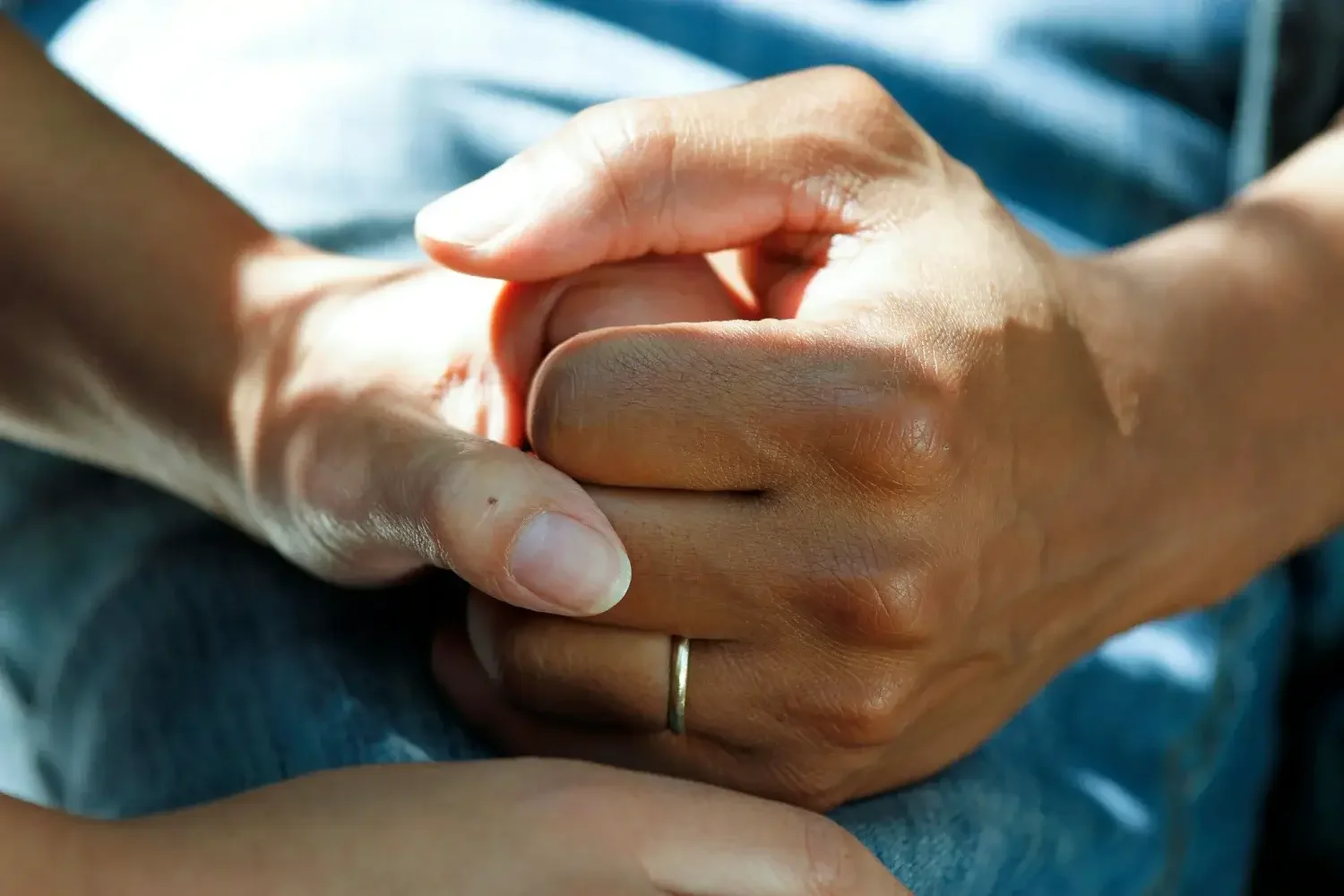
Therapeutic approaches may include:
Trauma-informed therapy
Eye Movement Desensitization and Reprocessing (EMDR)
Cognitive Behavioral Therapy (CBT)
Dialectical Behavior Therapy (DBT)
Somatic or body-based approaches
Attachment-focused therapies
The healing process looks different for everyone. For many individuals, recovery involves learning that the coping strategies they developed made sense in the context of their experiences while also discovering new ways to navigate life in the present.
Moving Toward Healing

Living with the effects of complex trauma can be exhausting. Many individuals spend years feeling confused about why relationships feel difficult, emotions feel overwhelming, or self-criticism seems impossible to escape.
Understanding complex trauma can be an important first step toward healing. When we recognize how past experiences have shaped our thoughts, emotions, and behaviors, we can begin to approach ourselves with greater compassion and understanding. Recovery does not mean forgetting what happened. Rather, it involves developing a greater sense of safety, connection, and self-trust so that the past no longer has the same power over the present.
If you believe you may be experiencing the effects of complex trauma or C-PTSD, working with a trauma-informed therapist can provide support, validation, and tools for healing.

Reach Out
If you’re considering professional support, we’re here to help. Please reach out to schedule a free, no-commitment consultation. There’s no fee and no obligation—just click the button below to get started.
You can also call or text us at 202-656-3681, or email us directly. Give yourself the opportunity for the support you deserve.