

How to Remodel a Versatile Home Wellness Room for Wellness and Relaxation
6/17/26 | By: Laura Pearson

Busy parents juggling work, caregiving, and wellness, and renters or homeowners trying to make limited square footage feel supportive, often hit the same wall: there’s no dedicated space that works for movement, recovery, and quiet. Home remodeling for wellness can feel intimidating because a single room has to do everything without turning into a cluttered catchall. A multipurpose wellness room solves that tension by pairing flexible home gym design with calming, intentional choices that reinforce the mental health benefits of home design. With the right space-saving wellness solutions, one room can consistently support fitness and relaxation.
Dial In Comfort: Air, Temp, and Humidity That Support Wellness
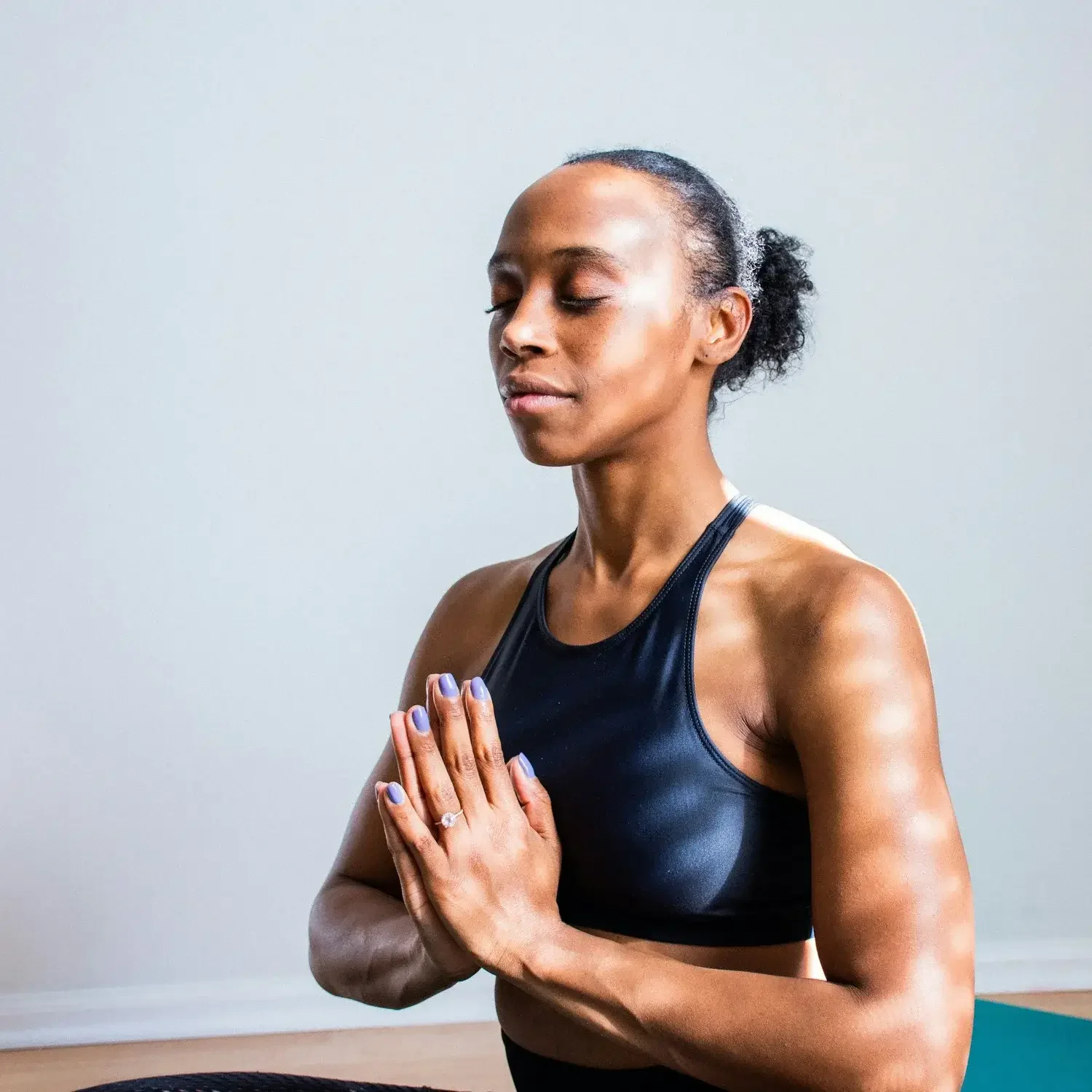
Once you’ve committed to a single room that can flex between movement and downtime, comfort becomes the feature that makes it easy to use every day. Upgrading your HVAC system can make a multipurpose wellness space feel noticeably better year-round: stronger air circulation helps the room feel fresh instead of stuffy, and steadier temperature control keeps you from overheating mid-workout or feeling chilled when you’re stretching or relaxing. The right setup can also help manage humidity, so the space feels less clammy, and reduce common airborne irritants like allergens, supporting a cleaner, more comfortable environment that’s easier to breathe in.
If you discover your system needs repairs or upgrades, it’s worth ordering components carefully. Here’s a relevant read about HVAC replacement parts; stick with reputable suppliers so you’re more likely to get quality parts that are durable and compatible with your equipment. With air, temperature, and humidity working in your favor, you can move on to the core design principles that keep the room flexible without feeling cluttered or overly specialized.
What Makes a Wellness Room Truly Multipurpose?

A true multipurpose wellness space is one room that supports both motion and recovery without constant setup or visual mess. It starts with clear zones, storage that hides clutter fast, layered lighting for energy or calm, and durable materials that feel soothing. Simple ergonomics matters too, so what you reach, lift, and step around feels natural and safe.
This approach helps you show up more often because the room feels inviting, not like a spare gym you avoid. It also makes transitions easier, which supports rest as much as training, the way wellness rooms are designed for a quiet reset.
Picture folding a mat out from a cabinet, turning on brighter lights for strength work, then dimming them for stretching. A bench can be for seating, support for mobility drills, and a place to drop a towel, matching the momentum behind home wellness rooms.
Strengthen Your Mind Side-by-Side With Your Space

When your wellness room is designed to flex between movement, recovery, and calm, it can also become a reliable anchor for day-to-day stress relief. A thoughtfully planned multipurpose space can make it easier to downshift after a hard day, support physical recovery routines, and build steadier habits simply because the environment is ready when you are. At the same time, lasting mental well-being often benefits from support that goes beyond what a room can provide. If you’re navigating anxiety, trauma, grief, chronic pain or illness, addiction, or eating disorders, Monarch Wellness & Psychotherapy is a resource that offers trauma-responsive therapy, available both in-person and via telehealth.
Wellness Room Remodeling Questions, Answered

Q: How do I keep a multipurpose wellness room from feeling stuffed? A: Choose one “home” for each category: movement gear, recovery tools, and ambiance. Use wall storage and closed cabinets, then limit floor items to what you can set up in under two minutes. If it does not support your top three routines, store it elsewhere or donate it.
Q: What’s the simplest way to define workout and relaxation zones in one room? A: Create a clear boundary using a rug, lighting, or a folding screen so your brain gets a visual cue. Keep the active area open for safe movement and place recovery items near a softer corner with a chair or mat. Design choices like natural lighting can help both zones feel intentional.
Q: How can I stay motivated when the room is right there, but I still skip workouts? A: Make the default “easy mode” by keeping a short plan visible and equipment ready. Commit to a 10-minute minimum and let consistency be the win, not intensity. Pair movement with something you enjoy, like a playlist or a show.
Q: How do I plan a realistic remodeling budget without overbuilding? A: Start with a “must-have” list focused on safety, flooring, lighting, and storage, then add upgrades only if you use the room weekly. Price the essentials first, set aside a small buffer for surprises, and phase purchases over time. A modest, finished space you actually use beats a perfect room that stalls out.
Take One Small Step Toward a Personalized Home Wellness Room

A home wellness room can easily become a cramped catch-all, or a space that looks great but doesn’t support real routines. The steadier path is a simple, flexible mindset: home wellness remodeling inspiration that prioritizes flow, clear zones, and choices that fit real life, creating personalized wellness spaces that invite both movement and recovery. When that approach leads, integrating wellness into daily living feels natural, and motivating healthy lifestyle changes gets easier because the room removes friction instead of adding it. Design the room for the habits you want, not the gear you own. Choose one 30-minute step today, clear one surface, define one zone, or schedule the first calm, consistent session in the space. Those small decisions compound into long-term health benefits: more resilience, steadier energy, and a home that supports well-being every day.
While creating a dedicated wellness room can be beneficial, we recognize that not everyone has the space, financial resources, housing stability, physical ability, or life circumstances to make this possible. Wellness is not defined by having a perfectly designed room—small, accessible changes and moments of self-care within your existing environment can be just as meaningful and supportive of your well-being.