

Acts of Creativity_ How They Can Help When Stress Starts Taking Over
12/26/25 | By: Laura Pearson
Acts of Creativity: How They Can Help When Stress Starts Taking Over
When stress begins to pile up, your body notices long before your brain catches on. Muscle tension tightens, your thoughts race, and simple decisions feel impossibly heavy. In these moments, creative expression isn't just a hobby — it's a reset switch. You don't need to be an artist or musician; what matters is the act of making something, anything, with intention. Creative practices offer more than distraction — they give you a chance to process, reflect, and reclaim control. From brushstrokes to scribbles, rhythms to rituals, these actions provide shape to what you're feeling and space to breathe through it.
Art-Making for Stress Regulation
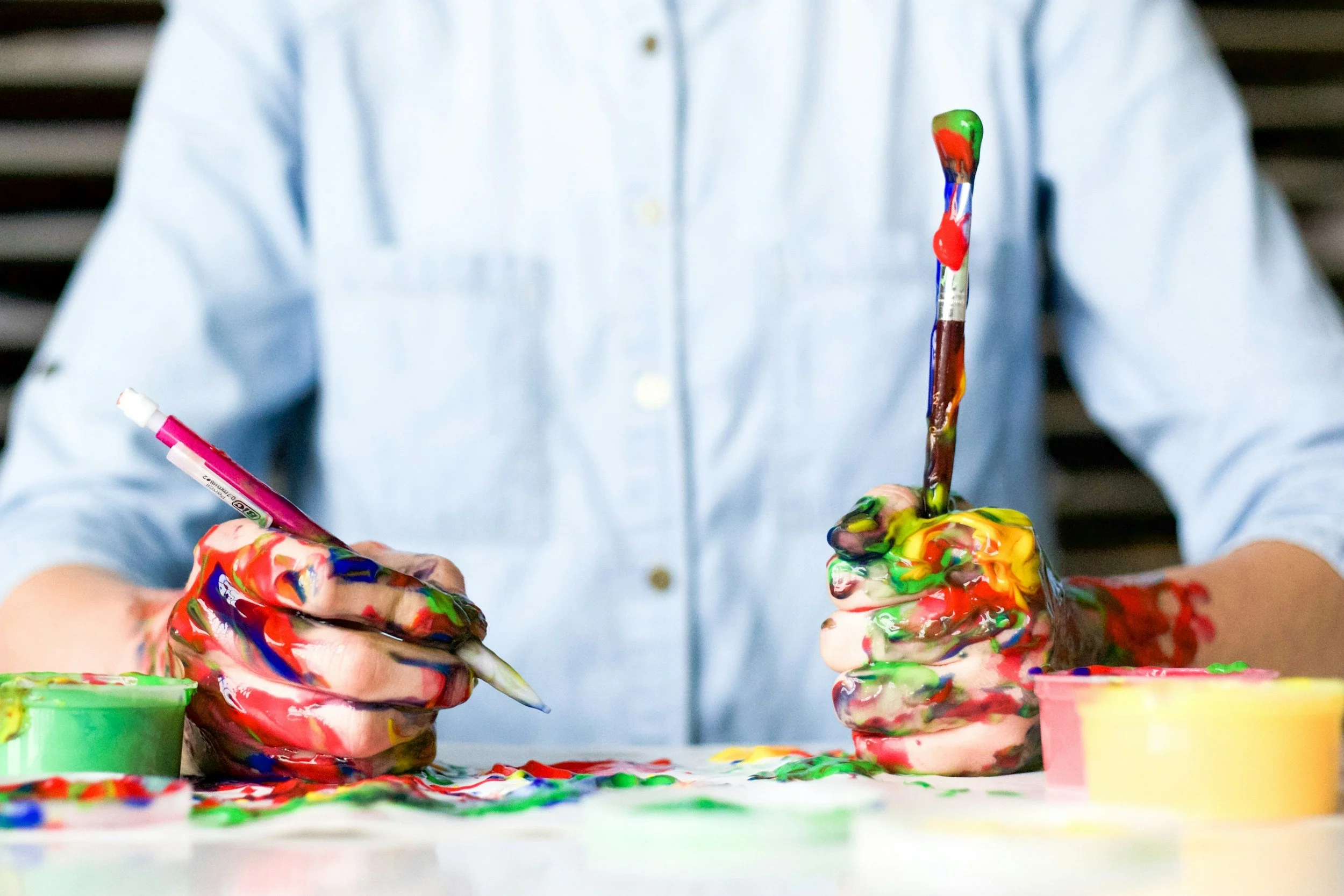
Creating visual art — even simple drawing or painting — engages both sides of your brain and interrupts the stress response. You're not performing for anyone; you're simply moving color and form through your hands. The act of focusing on shapes, shades, and composition pulls you into the present moment and quiets the loop of anxious thinking. Research shows that artmaking can lower cortisol levels, the hormone tied to stress and burnout. Importantly, you don’t need to have artistic skill for the effects to kick in — process matters more than outcome. It’s about motion, not mastery.
Hands-On Crafts That Calm the Body
Working with your hands offers a tactile anchor when your mind feels frayed. Crafts like knitting, woodworking, or pottery give you repetitive tasks and textures that help regulate your nervous system. The structure of following a pattern, combined with the freedom to create, fosters a balance between focus and flow. These kinds of manual activities lower perceived anxiety and increase feelings of satisfaction. There’s also something grounding about the physical weight of the objects you're shaping — they become proof of progress you can see and touch. When you're overwhelmed, shaping something small can be a quiet declaration of agency.
Creating Digital Art with AI Tools
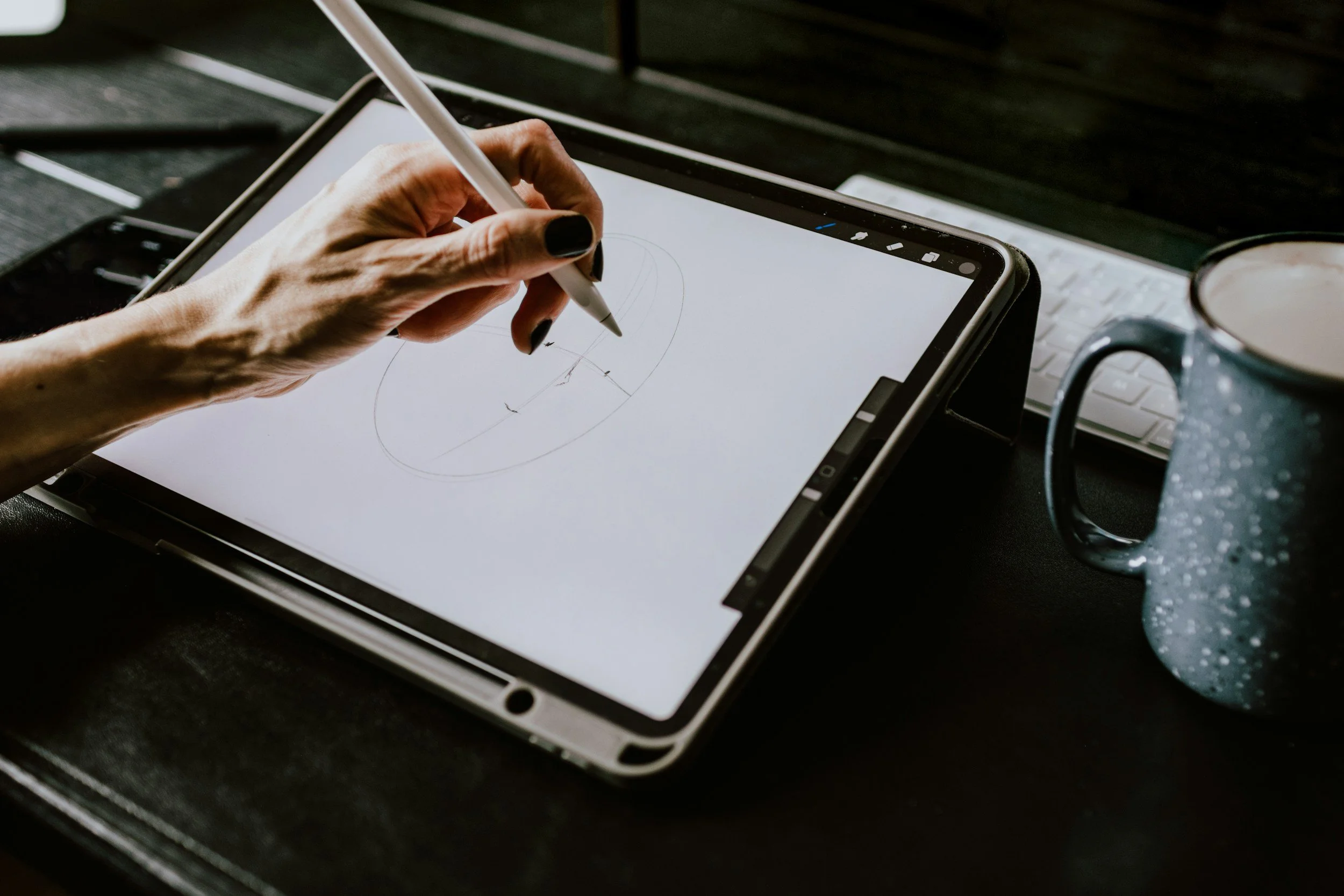
Digital tools are opening up new doors for creative relief, especially for people who may not feel comfortable with traditional art. AI painting generators from this website allow you to transform your emotions and ideas into images using just a few words. With simple text prompts, you can generate visuals that emulate styles like watercolor, sketch, or oil painting — and then tweak lighting, color, and mood until they feel right. This process offers both immediacy and control, making it easier to externalize what you're feeling. It’s not about generating “perfect” art — it’s about moving what’s inside you into form. For many, it becomes a low-friction way to self-soothe through visual storytelling.
Music, Movement, and Expressive Arts
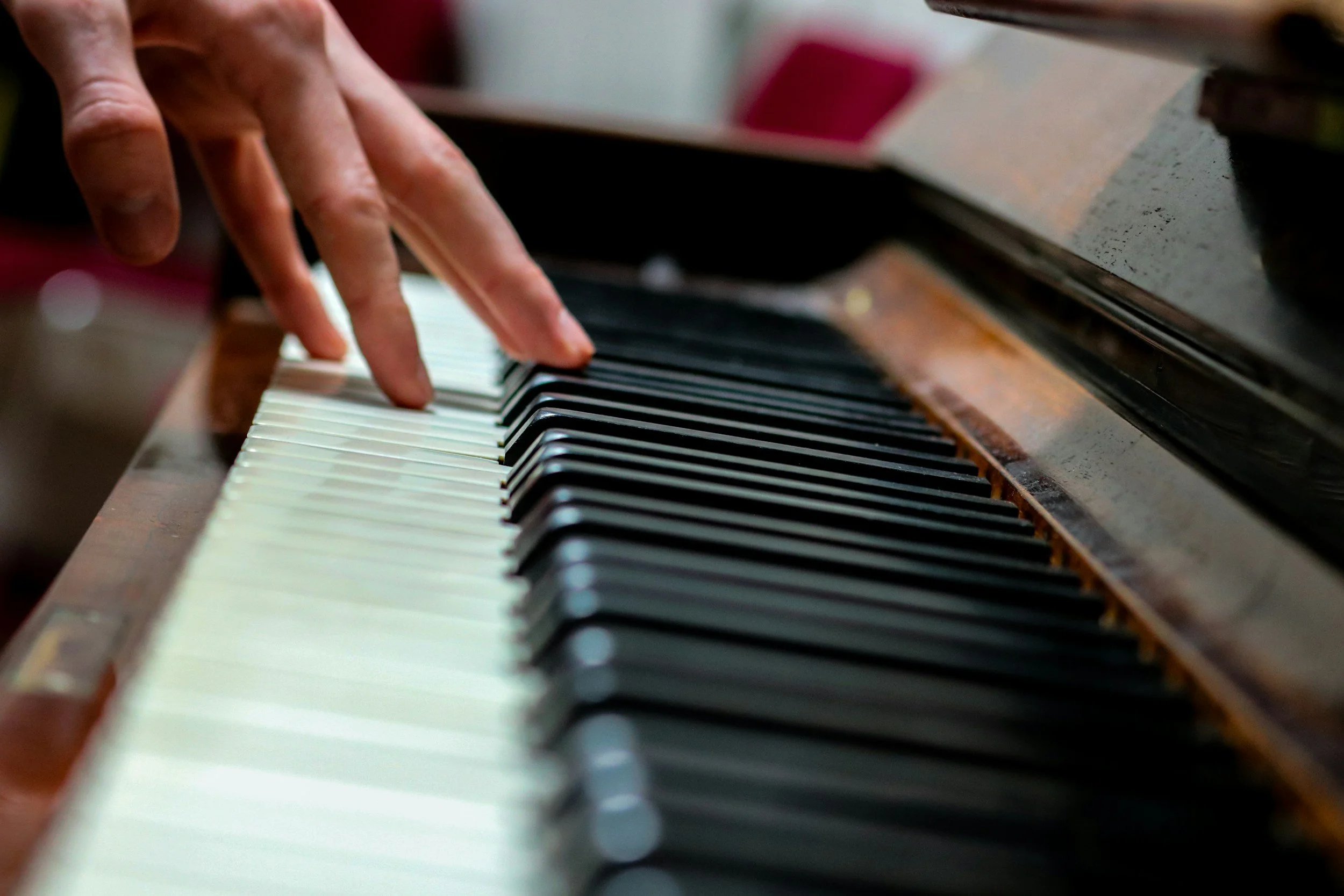
Whether it’s playing an instrument, singing in the shower, or dancing around your kitchen, expressive arts can reroute tension into rhythm. Music and movement activate emotional centers in the brain that verbal processing doesn’t always reach. They offer a language for what's hard to say — and a way to release what you don’t want to hold. Studies show that engaging with music, even passively, helps reduce symptoms of anxiety and depression. But the key is active participation: making sound, generating movement, reclaiming physical space. You don’t need choreography or chords — just permission to respond to what you're feeling.
Writing and Other Forms of Self-Expression
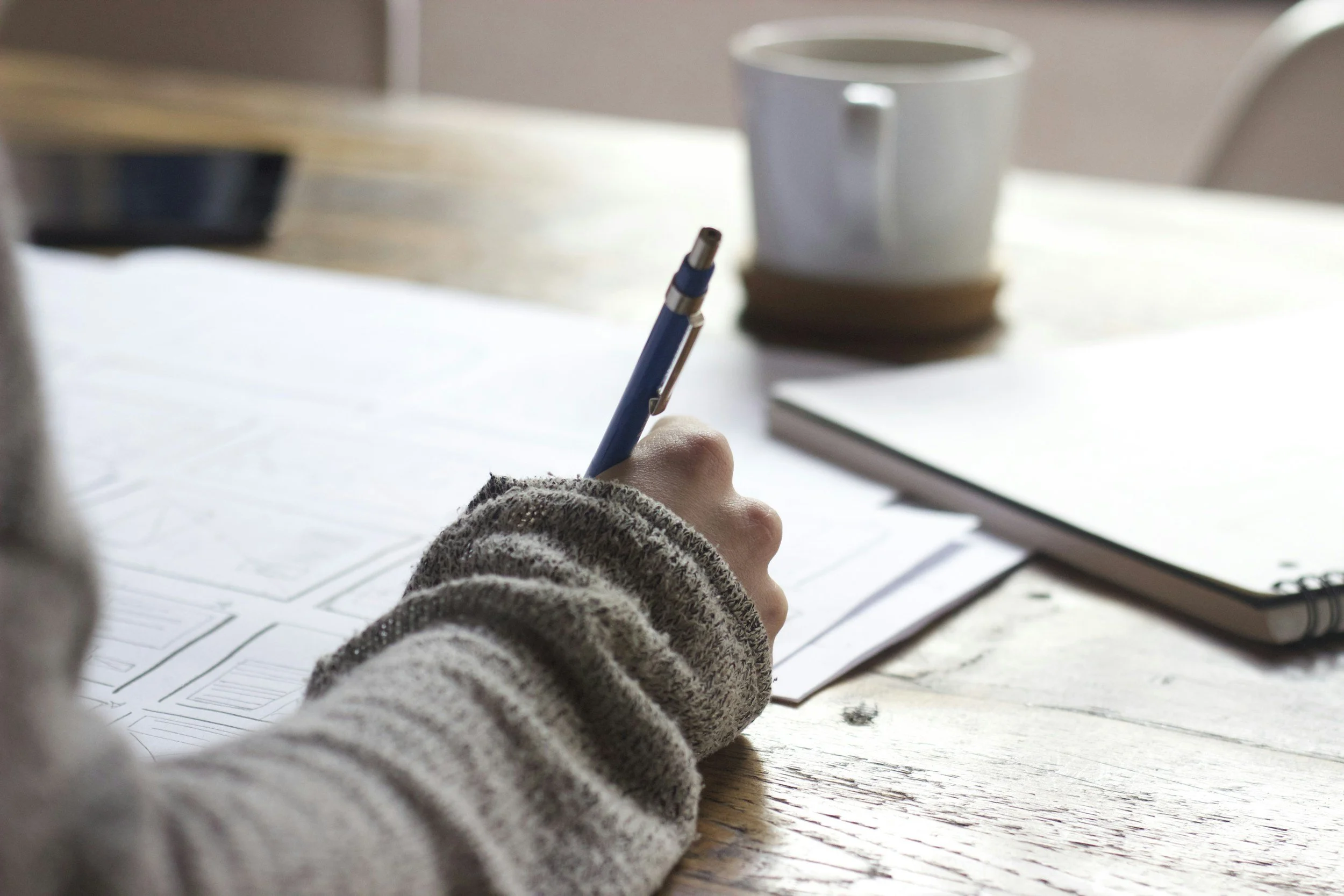
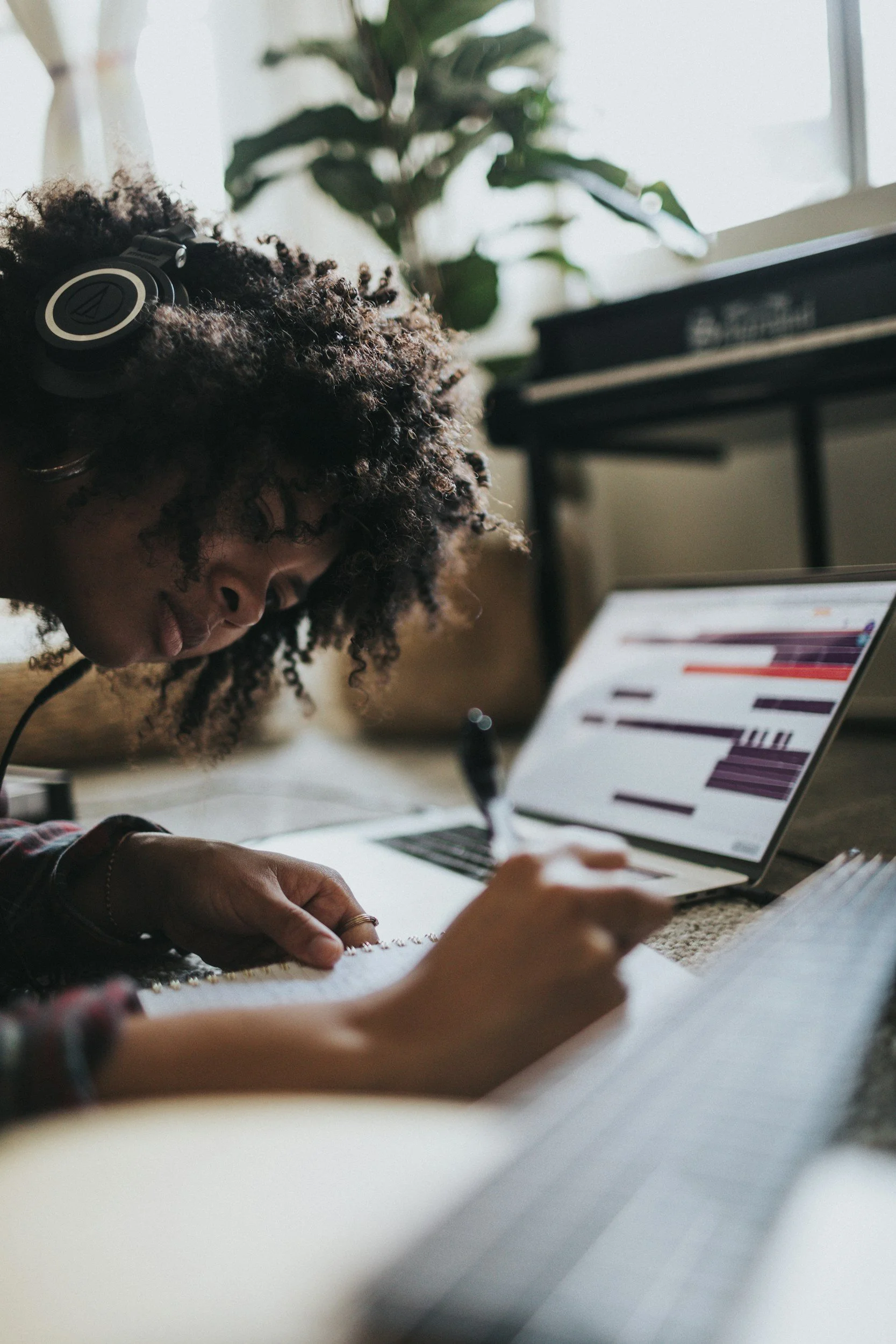
There’s a reason so many people turn to journals when life gets chaotic. Writing gives you a container — a place to empty your head without judgment or interruption. The page doesn’t care if your thoughts are tangled; it simply holds them. Expressive writing has been shown to support emotional regulation, clarify priorities, and increase resilience. Even short, daily notes or voice memos can offer a sense of release and reflection. When spoken words fail, writing can trace a path back to understanding.
Improvisation as Emotional Reset
Spontaneous creativity — like doodling in the margins, freestyling lyrics, or making up silly stories — bypasses your inner critic. When you improvise, you're not aiming for perfection, you're creating space to respond. This kind of unstructured play helps loosen the grip of control and gives your brain a break from problem-solving mode. Psychologically, it can be a form of cognitive reset, reducing rigidity and encouraging mental flexibility. The low stakes make it safe to experiment, which lowers performance anxiety. Even a few minutes of playful, improvised creativity can shift your internal weather.
Tiny Daily Creative Rituals
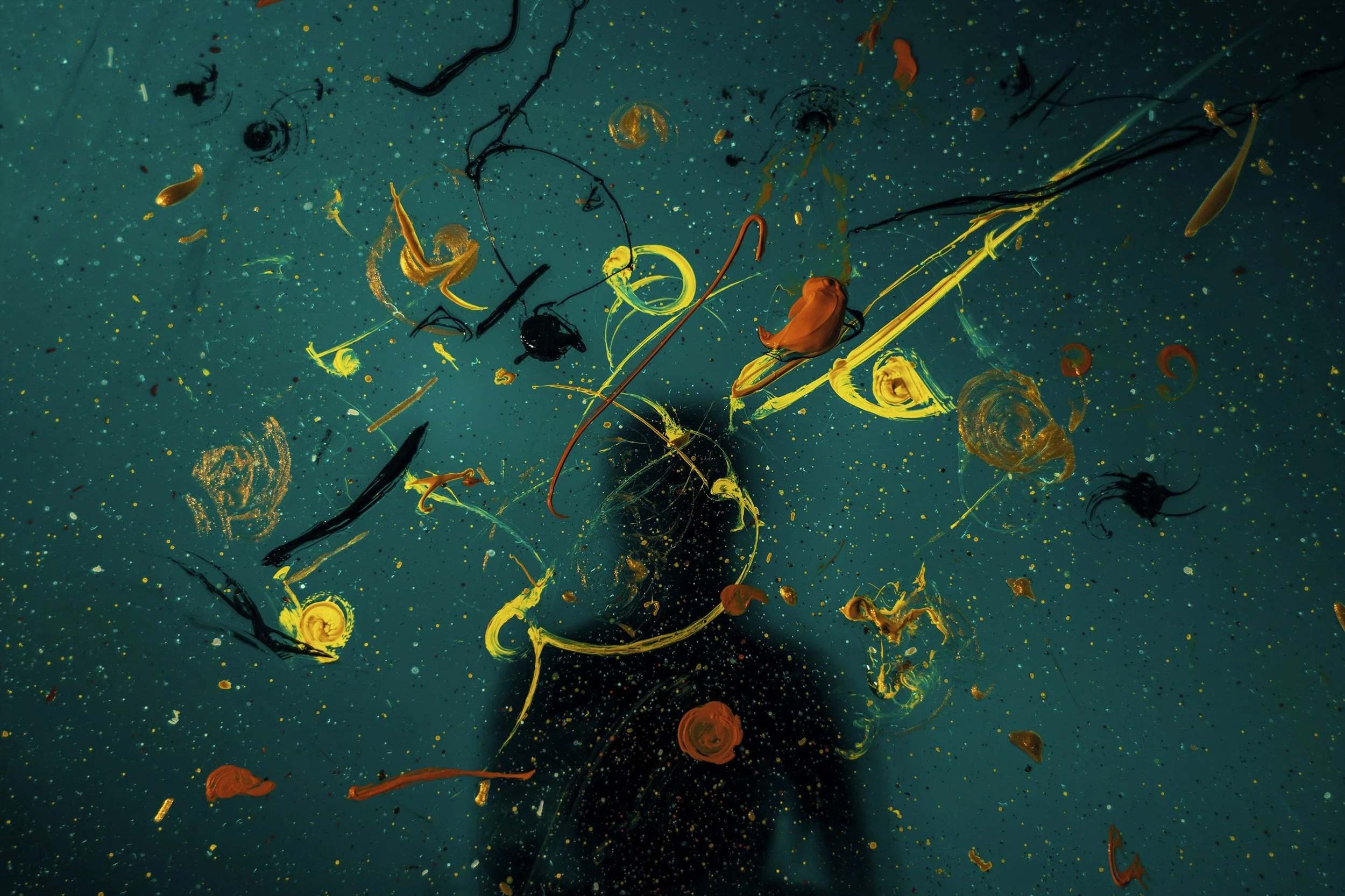
Not every act of creativity has to be a project — sometimes the most powerful practices are the tiniest. Taking one photo a day, sketching a five-second shape, or writing a single sentence can restore a sense of rhythm and presence. These rituals become anchors: small, predictable acts that signal safety and intention. They’re especially effective during high-stress periods because they don’t require preparation or planning. What matters is showing up for yourself, consistently, with softness. Over time, these daily creative pulses can build a quiet foundation of resilience.
Stress isolates. Creativity reconnects. When you give yourself permission to make — to shape, to scribble, to sing — you step out of reaction and into creation. It doesn’t have to be beautiful or profound. It just has to be yours. These practices aren’t escapes from your life; they’re tools to live it more fully, with presence, emotion, and breath.
Start your healing journey with Monarch Wellness & Psychotherapy and discover the power of connection and understanding in transforming your life.